
How Much Do Headshots Cost?

You need professional headshots. So you start calling around local studios, but you find that a session with one photographer is $1,000 and another is $100. So what’s the difference between the $1,000 shoot and the $100 shoot? Because no one wants to be the schmuck who paid $1,000 for something they could have gotten for $100, we’re going to break down what headshots cost, why pricing differs so drastically from one studio to the next, and what you can do about it.
Why is Headshot Pricing All Over the Place?
There are two main reasons why photographers have such drastically different pricing from each other. The first reason has been around for ages: photographers are independent contractors, gig workers, and small business owners. They set their own pricing and base it on a number of factors (more about the factors later) and it’s an industry with no standard costs, rates, or minimum income.
The second reason is more recent: the COVID-19 pandemic. In 2020 when the pandemic shut down a lot of small businesses in various creative industries, some had to pivot their businesses to make a living when they couldn’t take portraits, and events like weddings were cancelled because of social distancing and safety restrictions. A large number of photographers during that time started working as photo educators.
They shifted into creating instructional videos and courses for existing photographers to market their own businesses and to aspiring photographers to start new businesses. A few years later, the photography market is now flooded with an unprecedented number and variety of new photographers trying to find their niche, gain a client base, and stand out from the competition.
More photographers to choose from can have its advantages for the consumer: more options in style and personality when hiring photographers, and more competition naturally drives down pricing.
The downside is that photographers shift their pricing often in response to the changing market, so it’s a moving target. Some educators in the space are even creating pricing models for photographers to use, then having to create new ones again and again to keep relevant and to develop new content for their own businesses, now that their business models have shifted from actually taking photos into teaching others how to run a photography business.
That is how we end up with one studio charging an arm and a leg for the same service another is practically giving away.

The Factors That Photographers Use to Create Their Pricing
The most common factor in photographer pricing which seems the most obvious when you’re comparing photo studios is experience. A good rule of thumb is that the better the portfolio you’re looking at, the more expensive the photo session will be. New photographers tend to charge less because they’re just getting started and don’t have as much experience taking photos of different people, places, or events. The great thing about working with a newer photographer is usually that their prices are lower. The not so great thing about it is that they have less experience. The more experience, the bigger the insurance policy you as the client have that they will get it right and make you look awesome. The less experience, the bigger the risk you won’t like the photos.
Another factor is the geographic location. In areas where there’s a higher cost of living, such as New York or San Francisco, you’re likely to pay more for photography services than, say, Paducah, Kentucky. Pricing for nearly every product or service is going to be higher in areas with higher costs of living.
The last factor is the general expense list of operating a business. You’d be surprised how quickly even a service-based business can rack up expenses just to be able to offer its services to you. Think of costs like studio rent (even home-based photographers who have you come to their living space for shoots factor this cost in), photography equipment, liability insurance, software costs for editing photos, storing high volumes of data, online booking programs, websites and marketing costs, and more.
And service-based businesses can’t base their pricing at an at-cost basis for each shoot or they’ll break even and not making a living wage. Which means they have to bake ALL their expenses into their pricing, which includes the time they spend on the business, answering your emails and phone calls, and their personnel expenses, even when it’s just them. In other words, to create a price list, a photographer has to factor in all their hard costs like rent and equipment, combine it with what they need to take home in pay at the end of the day to pay their salary, health insurance, and retirement investments, determine how much to charge to cover all that and how many shoots they’ll have to hustle to find in order to achieve it. That’s a lot of math and a lot of stress! It’s no wonder that something like 50% of small businesses fail within the first 5 years.
So How Much Should a Headshot Session Cost?
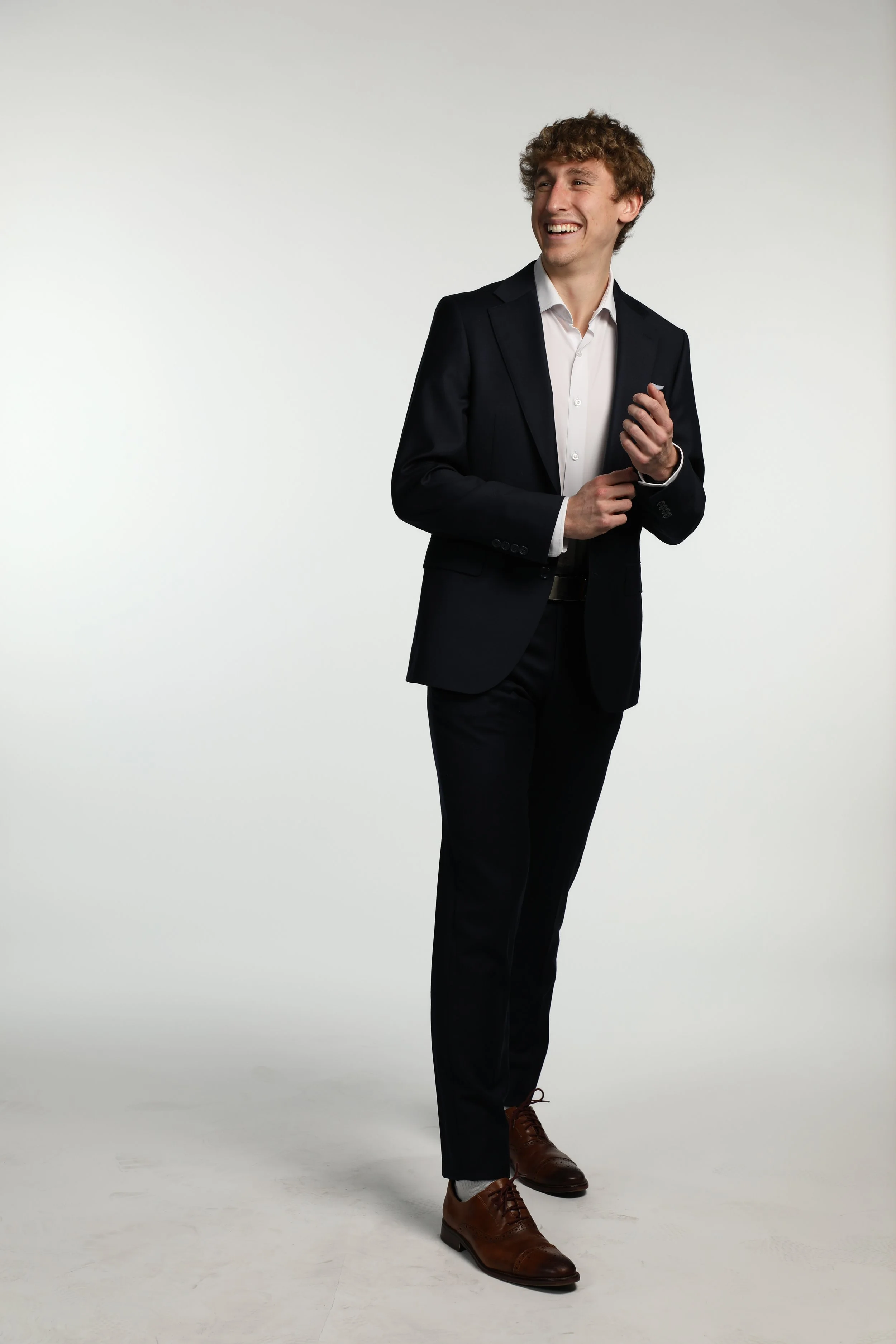
On the lower end, depending on your location and the studio options, you’re likely to see an average of about $250-$500 for a headshot session in the studio, or up to about $500-$1,000 for longer photo sessions or sessions with add-ons like extra outfit changes, retouching, or hair and makeup services.
Here’s something to complicate it even further: every studio has a different pricing structure, so it’s almost never an apples-to-apples comparison. Some photographers will charge per person and others will charge a day rate. Some studio headshot photographers will charge a flat rate for the session, then additional fees for downloading the actual photos, while others will include the photos in the price of the session.
How to Choose a Headshot Photographer
In a nutshell, look at the photographer’s portfolio, not just their pricing. Even if you’re on a tight budget, working with a photographer who isn’t experienced or you don’t like their photographic style can end up costing you more in the long run if and when you have to have them retaken because they came out bad.
When looking at a photographer’s portfolio, look for signs of skill in posing and lighting. Make sure there is variety in the photos and not just the same lighting, the same backgrounds, and the same posing for everyone. The more changes you see in all these elements it’s likely they’ve been at it longer, are more experienced, and are better adept at changing lighting, lenses, and poses to make sure they are customizing the shoot for you and making choices and changes that are flattering to your face and body.
Call them and talk to them. Make sure the studio gets back to you quickly if you call or email, and that they communicate well and are open to talking with you about anything you need to chat through to feel more comfortable working with them.
Be specific about what you want, if you can. Make a moodboard and show them photos you like and don’t like and what you do and don’t like about them, so you and the photographer start off on the same page. If you don’t care about specific things like the background and lighting, make sure your photographer understands your goals for the photos.
During the headshot photography session, ask if you can see the photos as they are taken so you can approve of them, and make sure there’s enough time built into the session to make changes if you see something you don’t like. At our studio, our camera is connected to a monitor so you can see the photos on a screen while they’re being taken or immediately afterward if you prefer.
Find a photographer with à la carte pricing. Our studio operates this way for a reason: clients don’t pay for what they don’t need or want. Choose a studio that sets a base price to get you everything you need, and add-ons that are extra so you can choose not to pay for them, instead of all-inclusive packages with everything and the kitchen sink baked in if there are services like retouching or makeup you know you won’t be using.
Watch for photographer educators. If they have a “for photographers” button on their website that means they’re also marketing themselves directly to photographers to teach them photography or photo business management and marketing. This isn’t necessarily a bad thing on its own, but it could mean that they’re focusing more of their attention on their education business than their current clients. Just know there might be a chance that their photo work or communication time can suffer if they can’t balance both.

Final Thoughts
When looking at photography pricing, know that in our industry running a “successful” business nine times out of ten means just making a living wage. If you balk at the price you see, know that there are logical and legitimate reasons for that price.
Let’s face it, when was the last time you saw a headshot photographer roll up in a Maserati? Most of us drive used Nissans and devote ourselves to the craft because we love what we do.
Just make sure you love a photographer’s work as much as they do when choosing your photographer, and you’ll value that awesome photo of you no matter what the cost.