
What Do Trans And Non-Binary Folk Wear For Headshots?
Short answer: Whatever the hell they want.
Longer answer: Read below for clothing tips for trans, non-binary, queer, and gender non-conforming individuals about to have their photo taken.
As headshot photographers for business professionals, we do a lot of clothing styling for our clients to help them represent their industry, profession, and personality in their photos. It can be hard for all of us to find that perfect outfit we feel comfortable in and which shows the world our strengths, our confidence, and tells everyone a little bit about who we are and what we do.
Now add gender as a factor for choosing that perfect outfit when you’re trans or gender-fluid, and the task can seem daunting.


Let’s take a step back into recent history for an example of how gender and clothing changed in the workplace and how we experimented as a society with how we were perceived. Picture it: the 1980s in corporate America. Women and femmes were finally starting to hold more C-Suite and upper management positions in several professional industries previously and mostly still occupied by middle-aged white men. The hypermasculine office wasn’t used to feminine workers leaving their support roles and stepping into managing positions, and fashion adjusted to fill the gap. Women didn’t know how to dress for their new management roles so their outfits were modeled after the traditional male clothing and body: long, high-waisted slacks to lengthen the legs and make them look taller, wide double-breasted jackets and giant shoulder pads to make smaller women take up as much space in the conference room as the men.
And now trans and non-binary folk are also struggling to dress in a way that fits with the professional world, their industry, while also showing their individuality, personality, and how they want to express their gender to others.
As a cisgender white woman (someone who was assigned female at birth and identifies as female) I wanted to make sure I did A LOT of research before putting together clothing tips for the LGBTQIA+ community, which included reading Rae McDaniel’s book Gender Magic. I wanted to learn more about gender as a spectrum, and Rae’s book does an amazing job of shifting the narrative toward gender acceptance for both individuals wishing to explore their gender identity, and people like me who are working to better understand and advocate for the trans and non-binary community.
I love how Rae explains what happens in peoples’ brains and the fight, flight, or freeze process you can go through when you encounter everything from microaggressions and stares, to being misgendered by Grandma at Thanksgiving, to being denied healthcare or legal status by a state or federal government. Rae unapologetically works to reframe the narrative that shame and suffering are at the core of being trans and non-binary, and shift it to a magical exploration of gender as a fluid concept. What I walked away with after reading their book was a better understanding of gender as identity, expression, and how to embrace sharing as much and as little about your gender as you wish to share to different audiences. And that as an audience to others’ gender identities, it’s my responsibility to meet all genders with warmth, acceptance, and understanding.
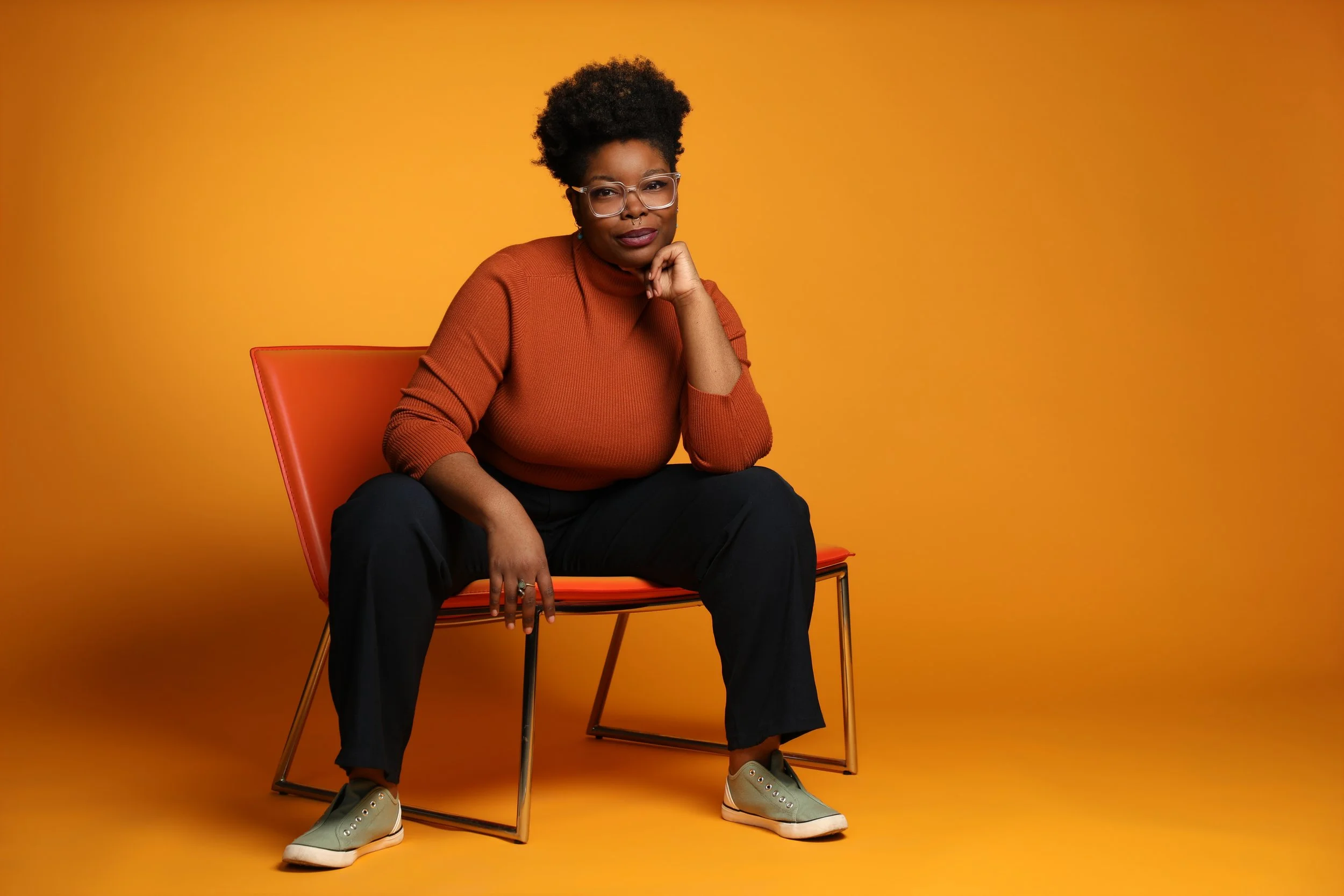
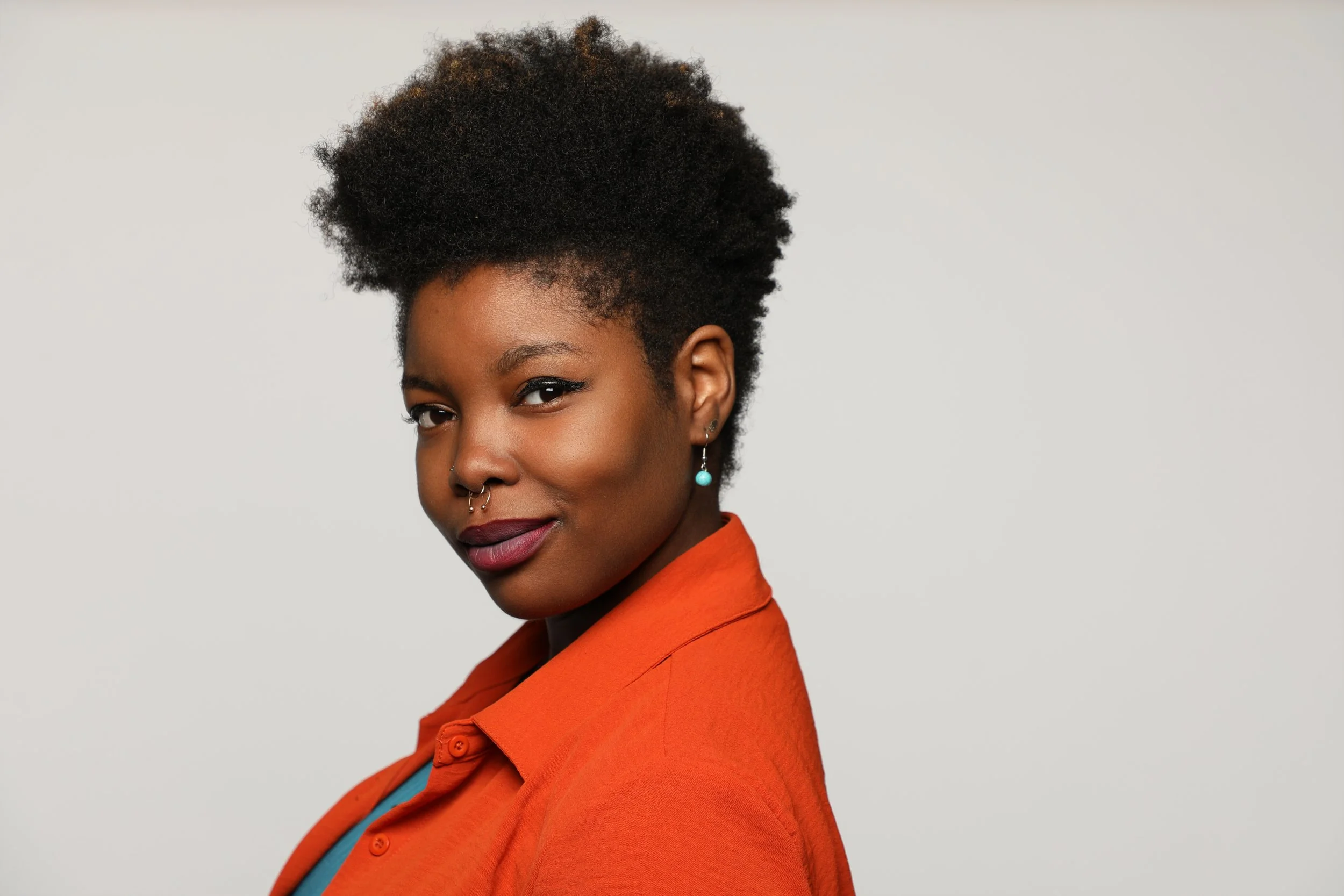
The anxieties that come with gender affirmation and clothing in the professional world are very real and very recent in our history. It used to be downright illegal to dress outside of the gender binary dress code (skirts and pearls for women, suits for men), and it wasn’t until 1973 that the White House itself allowed women working there to wear pants. Check out this interactive time lapse map that shows all the state laws in the U.S. that were created between 1844 and 1974 with limits or bans on dressing outside of one’s assigned gender. Some companies in the professional world keep draconian dress codes on the books and STILL don’t let women wear pants in their workplaces (we’ve had at least a few people in our studio in the last few years say they were required to wear a skirt for their headshots and it makes our jaws drop).
It’s a fact that what you wear for your headshot is going to be a gender statement in one way or another, so hopefully these tips will help you feel autonomy and control over that statement you’re making.
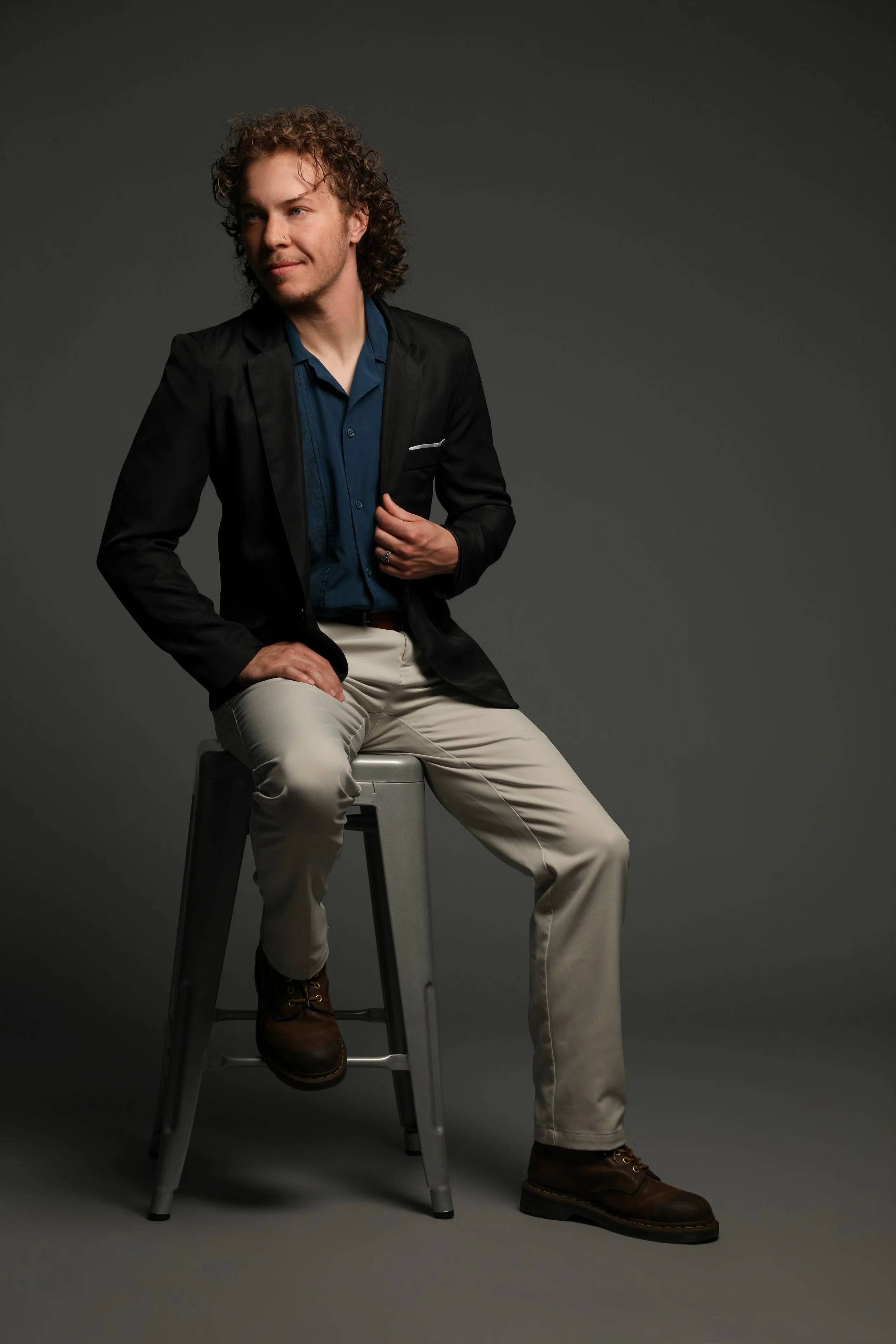
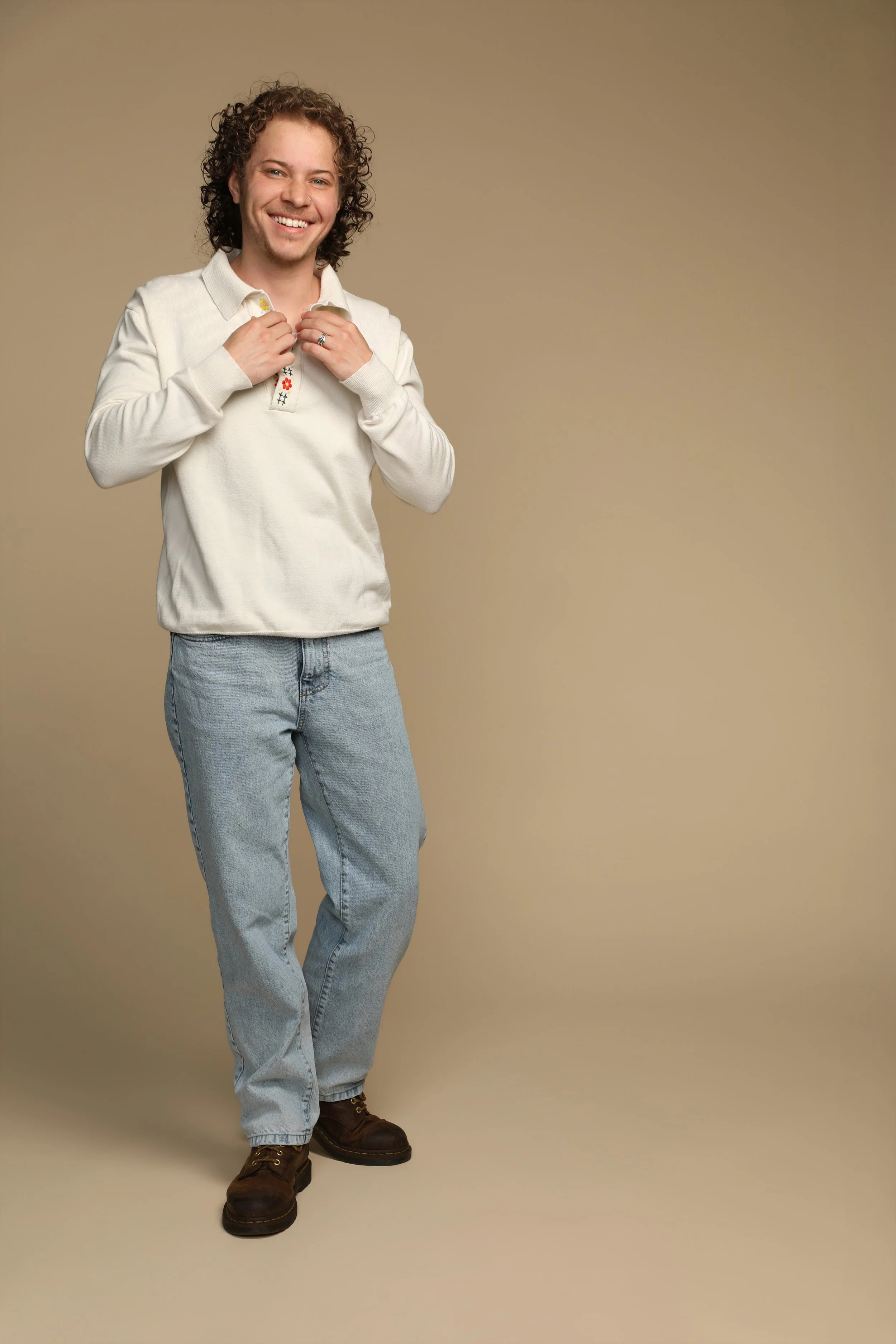
Dress in a way that makes you feel affirmed in your gender. Start with this: do you regard yourself as feminine, masculine, bigender (having multiple genders), agender (having no gender), or genderfluid (your gender identity is not fixed and can change)? Now imagine whatever your answer is to be on a volume meter of its own. For example, if you identify as feminine, HOW feminine do you want to be perceived? Just a little or a lot? Think Katharine Hepburn in Pat & Mike (1952) vs. Marilyn Monroe in the Seven Year Itch (1955). Or if you’re genderfluid, do you usually feel that fluidity as a huge wave completely moving the tide or just a small shift in the shoreline?
Consider your professional goals PLUS your gender goals. Is it important to you to blend as a cisgender man or woman? Is it a huge fear of yours to be misgendered in the workplace? Then consider dressing more “masculine” or “feminine” on that volume meter for your headshots than you would dress casually, to fully affirm your gender, as long as you still feel like you and see your true self staring back at you when you look at the photo. Now add your industry. Is everyone more casual or formal in your industry? Because a professional headshot for someone in banking is going to look different than a tattoo artist’s.
Layer. Regardless of your shape or size, muscles or curves, art theory says to use lines to lead the eye where you want it to go in an image, and layering your clothing does that. A blazer or sweater over a top creates strong, vertical lines that lead the eye to your face, and that’s where you want peoples’ eyes to go in a headshot. Especially if the photo is going to be shrunk small into a LinkedIn profile photo or a tiny avatar for your email. A solid color top with nothing to break it up like a blazer, jacket, sweater, scarf, necklace, or pockets/embellishments can look like a shapeless blob with a head on top and a viewer’s eye won’t know where to go.
Consider your skin, eye, and hair color. When choosing clothing colors, think jewel tones and neutral colors that compliment your skin tone, hair color, and eye color without distracting from your features. Regardless of gender, some people look better in cooler tones and others in warmer tones. Experiment with colors that complement your features and look and feel like they belong on you.
Patterns are okay as long as it’s not the first thing you see when you look at the photo. You always want your face to be the first thing anyone notices in a headshot and if anything is competing with that you might be in trouble. If you’re wearing a bold or distracting pattern, consider layering it under something more neutral or plain.
If you wear something bold, make sure you’re wearing it and it’s not wearing you. Your facial expression and presence should corroborate your bold fashion choice. You still want everyone to see YOU and your clothing is just a part of that. If bold clothing choices in color, shape, and style are your thing, embrace it and show it off for your photo! Just make sure that if you were to show someone the photo for only one second the first thing they notice is YOU and not your outfit. Your outfit should hold the supporting role and you are the star.
Work with a professional photographer experienced with affirming the LGBTQIA+ community. Let them know your goals for the photo and bring several clothing options so they can give you an opinion and help you choose. Make sure they’re posing and lighting you in a way that supports your gender identity as well, since some poses will read more masculine and others more feminine in front of the camera. Make sure you feel safe having an open conversation with them before the photography session about what your gender goals are for the photo, and that they’re open to your feedback during the session as to whether you are reaching those goals.
So what does a trans or non-binary person wear for their headshots?
Whatever the fuck they want.
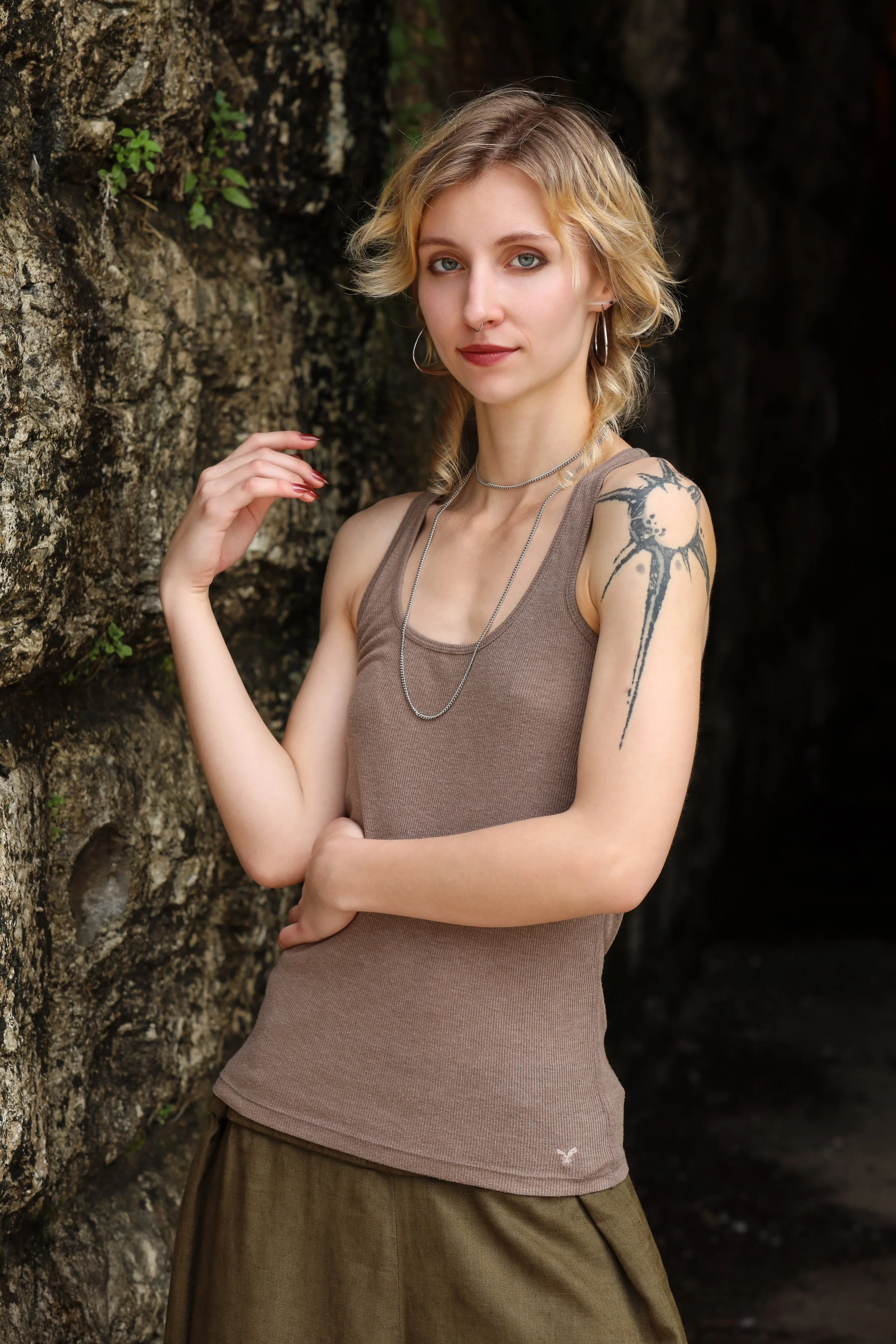
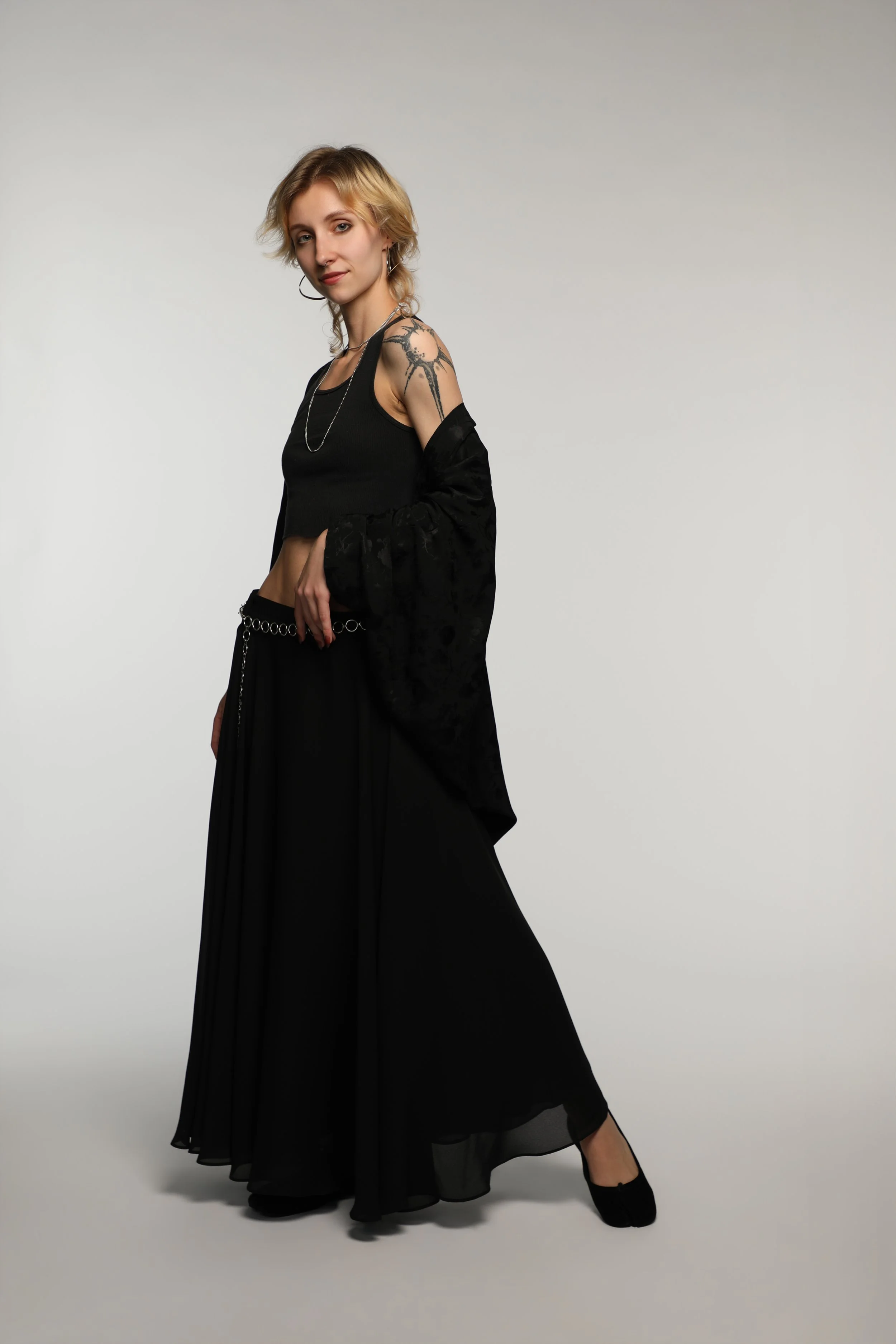
Rules are meant to be broken. The status quo is there to be challenged and those challengers should be accepted and embraced for their bravery. Even in photography, we’ve been told not to wear all black or all white, not to cross your arms in front of your chest for a pose, or even not to smile in a professional photo. There are so many ways to break all these so-called “rules” that look amazing in a photo.
For some, dressing in a way that unapologetically presents your gender to the world can sometimes feel incredibly scary, or even unsafe. Violence against black, transgender women is especially high, and more than 40% of transgender adults in this country have attempted suicide. MORE THAN 40%. Having your headshot taken and displayed publicly and sharing your gender identity with others can be very anxiety producing, to say the least, and not something to be taken lightly. But with the right tools and the right support, presenting yourself to the world can be a magical experience. You are seen. You are loved.