
What to Do When You Don’t Like Your Photos
Pop quiz, hotshot: you just paid big $$ for professional headshots and you HATE them. What do you do? WHAT DO YOU DO?
For everyone born after the year 2000, that’s a reference to a movie quote. To everyone old enough to get my jokes, sit down and get comfortable, you’re going to like it here.
Really, though– let’s imagine you just shelled out a couple hundred dollars for professional photos and you take one look at them and throw up a bit in the back of your throat. This is everyone’s nightmare scenario and what keeps them from stepping into a photography studio. If the ratio of photos taken of you (professional or not) is pretty skewed toward photos you hate (let’s say you like one out of ten snaps you see of yourself), you’re going to have a little trepidation toward gambling your hard-earned money on something you’ve historically got about a 10% chance of being happy with.
The good news is that if you go to a photographer worth their salt you’ll be stacking the deck considerably in your favor. You just have to make sure you do a few things to get the best possible outcome.

Speak up: If you see something you don’t like or want to change, say something. And say it DURING the session. This is important so I’ll say it again. Tell your photographer you don’t like the photos DURING the session, do not wait until it’s over. They can only make changes to what they’re doing with the photos while you’re there. If you wait until after they deliver the photos and you’re staring at them on your computer screen at home, there’s really not much the photographer can do except offer you a reshoot, IF they even offer that. A lot of photographers can’t because it’s too costly.
Stay collaborative: Keep the mood collaborative and your outlook positive when giving your feedback to get the best results from your photographer. They feel terrible if you feel terrible, and if you feel defeated they will feel defeated. Go into it with the mindset that you can work together to change things. For example, instead of saying, “Oh damn these suck I look terrible,” try, “I’ve got to be honest, I’m not happy with how I look in these. Can we talk through what I’m seeing and try again while making some changes?”
Be specific: Photographers have to balance a lot of elements when taking a photo. This includes lighting, lens lengths, backgrounds, colors, posing, angles, and more. Our brains are constantly creating cause-and-effect maps in our heads like, “if I change my aperture to f2.8 to get the background more blurred I’ll need to stop down my lights by half and make sure my client is sitting still enough to get their eye in focus. BUT WAIT are they able to hold a pose long enough or should I switch to a longer lens instead so I can get good bokeh behind them while shooting at f6.3 or will the 200mm make their face look rounder than the 50mm or will that limit my posing options…” So being specific about what you don’t like in the photo gives us a great launching pad to make actionable changes. For example, if your face looks rounder than you’d like, say that. The photographer can then switch to a shorter lens, or add shadowing in the lighting to sculpt your jawline. We love proving we know our craft and can use the tools at our disposal to work together!
Prep: if you have a history of hating photos taken of you, do some prep before your photo session. Ask for a pre-production meeting with your photographer, which can be a virtual call where you can tell them your concerns and expectations. We’re visual people so we love mood boards too. Put together a collection of photos you like and don’t like (whether they’re photos of you or example photos from Pinterest) and tell the photographer what you like and don’t like about each one. This will help them see through your eyes and make it easier for you to get on the same page during the session.
Check your expectations: Sometimes we subconsciously decide we’re not going to like a photo of ourselves before it’s even taken, and we’re not realizing it. Ask yourself honestly if you’re doing this. We’ve been trained by society (especially in the Midwest) to be over humble about our own appearances to the point of degrading ourselves. If I had a nickel for every time I’ve heard “well that’s good enough for what you had to work with” and every other self-deprecating joke our clients make about themselves I’d be able to retire today. Keep your expectations realistic about the goals for your photo. Because a photo with a goal of “I want to look confident, friendly, and someone will be able to recognize me in a crowd after looking at this photo” is a lot easier to attain than, “I want my nose to look absolutely perfect like Timothée Chalamet’s nose.” Most people looking at your photo aren’t rating your nose on a scale of one to Timothée Chalamet like you are.
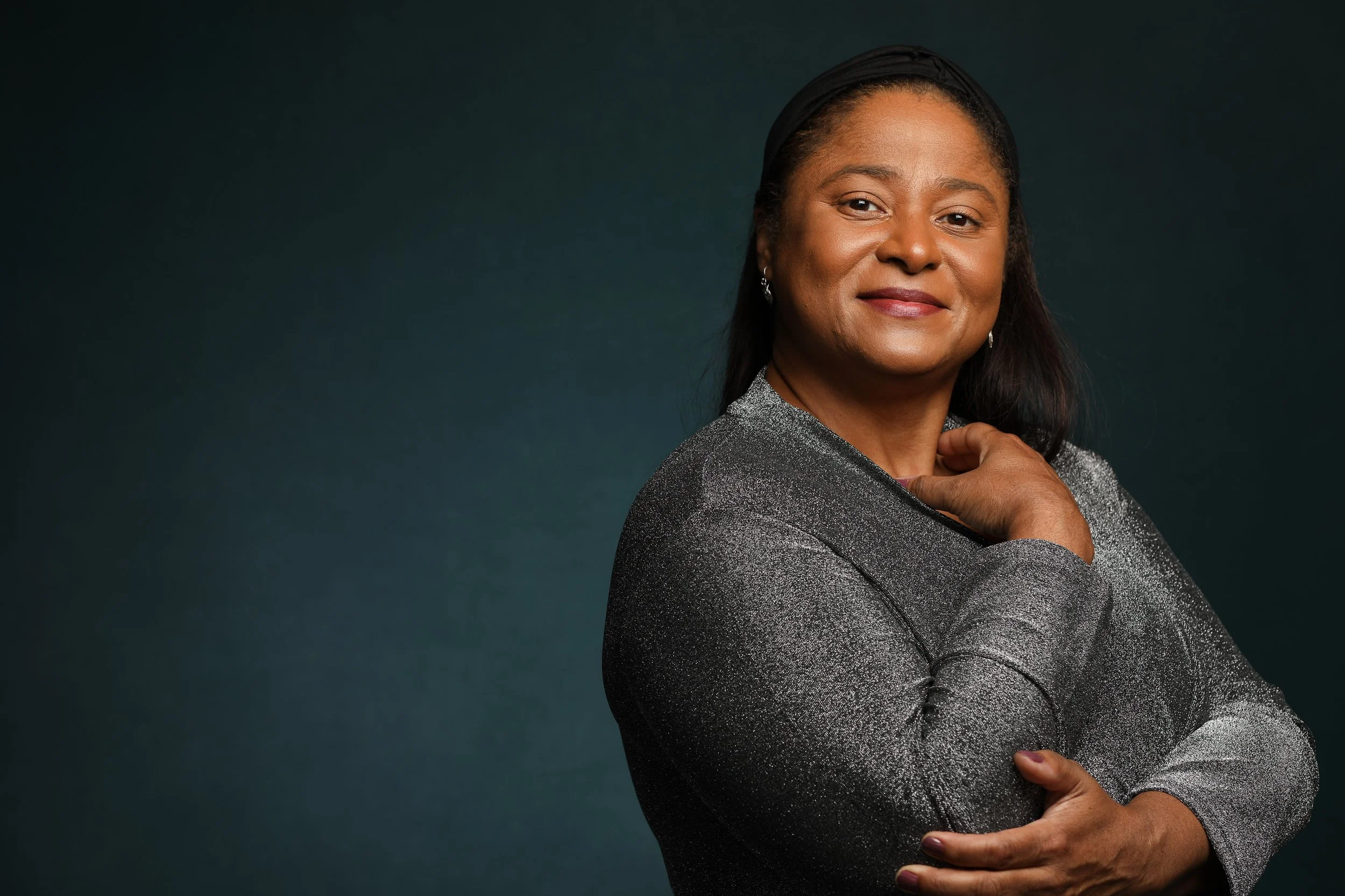
But what about after the photo session?
Let’s say you didn’t get to see the photos during the photo session to make changes. You were completely reliant on and trusting your photographer and when you saw the photos later you were disappointed.
Don’t get angry, just get new ones: Fire your photographer and hire a new photographer who will listen to you and allow you to see the photos and make changes while the photo session is still happening.
Delete them: Life is too short to have photos floating around that you don’t like. Delete them both from your hard drive AND, more importantly, from your mind. It’s far too easy for bad photos to get burned into our memories and for our minds to use them as proof that we’re a hideous monster with 11 chins. You are not a hideous monster. The elements of a photo (lighting, lenses, posing, etc.) happened to misalign for you at that moment. And that’s okay. It happens to us all. Even Timothée Chalamet sometimes.