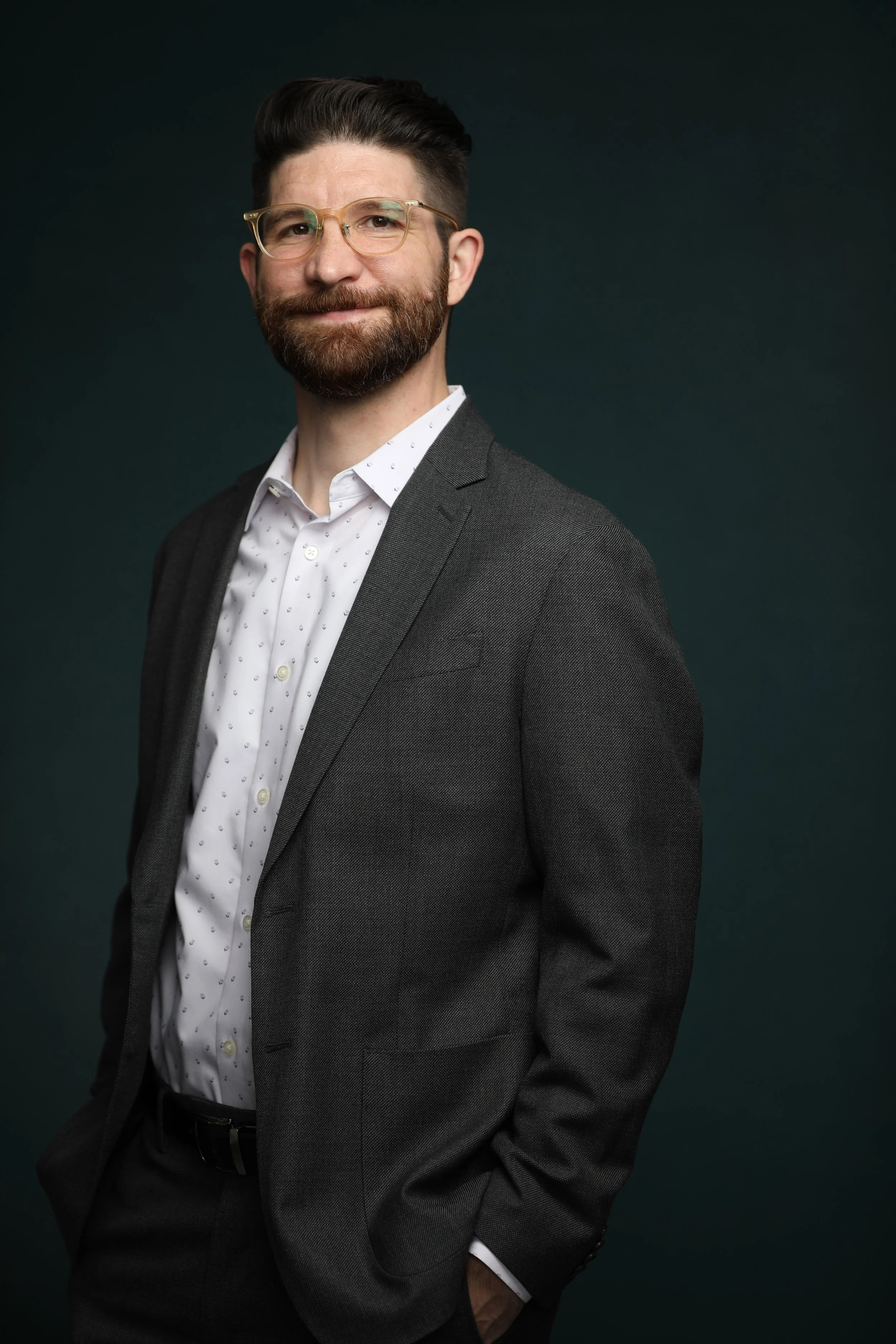
AI Headshots: will it replace photographers?
You might have heard about AI generated headshots and thought, “so I can get a new headshot and not have to have my photo taken? SIGN ME UP.” As photographers who hate having our own photos taken, it was even tempting for us to try out. But we haven’t. And for a frightening reason. First we’re going to ask the question of the day: will it replace photographers? Then we’ll answer a question you might not have thought to ask: is it safe?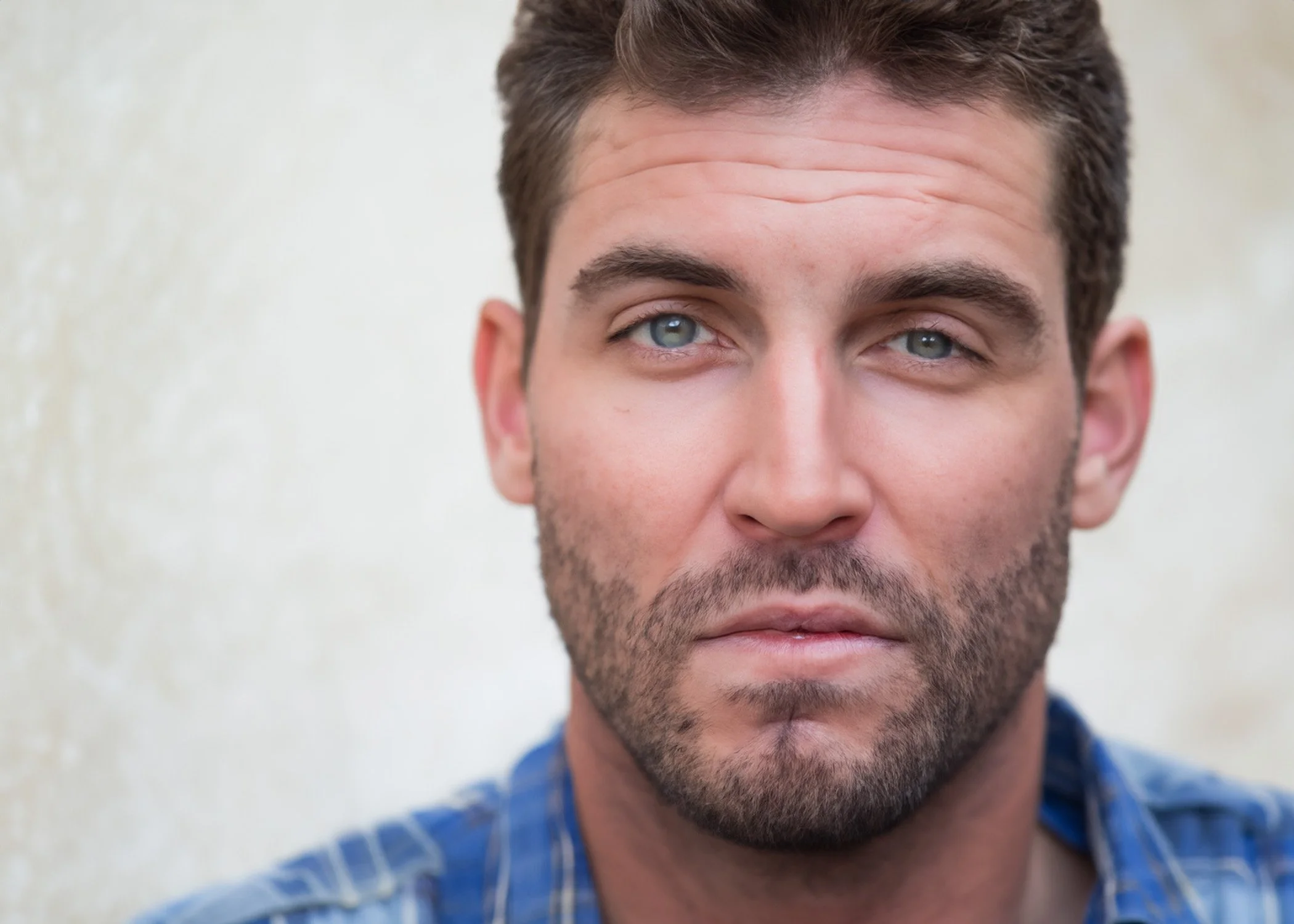
But first let’s start with a quick definition of terms, because we reject the term “AI Headshot,” because a headshot is a photo taken by a camera. An AI-generated image is an illustration in a photo-realistic style. See also, “avatar,” or if you’re feeling particularly spicy, a “cartoon character that looks like you.”
Now let’s answer the first question: Will AI-generated images replace photography?
The short answer is no. Everyone thought film photography was dead when digital cameras were introduced, and now after 20+ years of digital photos in use there’s a resurgence of film photography users growing. So even if AI-generated images do find common usage and start to rival or even outnumber photographs, human nature will always return to a more genuine method of image creation.
Also, what about the ethical considerations of making AI-generated images to depict real human beings– will news agencies start using AI to generate images of war for their headlines about real wars instead of showing what’s actually happening? More on that ethical question later.
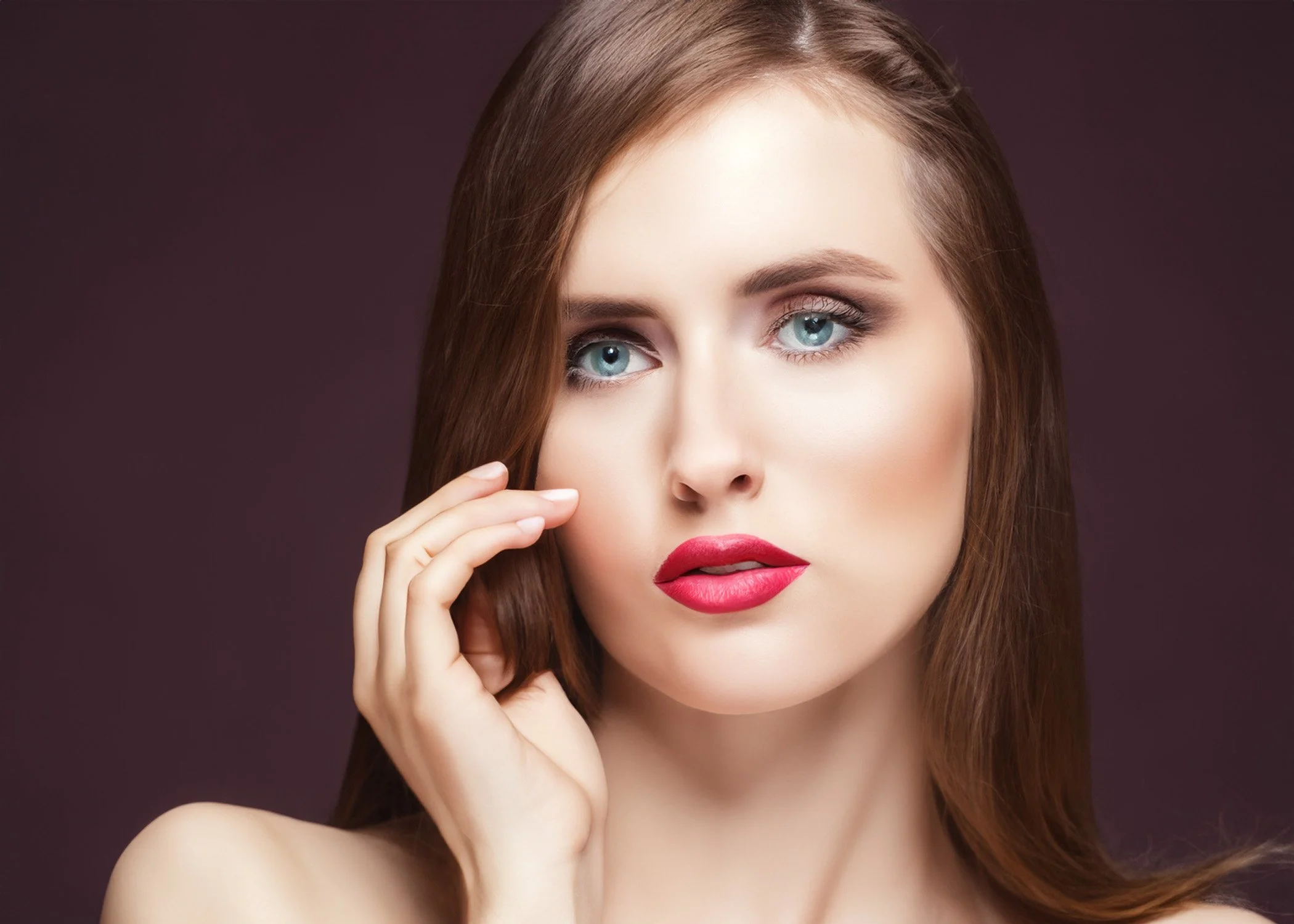
So far the technology isn’t that great. When it’s not adding extra fingers or creating nightmare-inducing depictions of human faces, the skin it generates is a little rubbery or weird-looking. The hair can be cartoonish. The body positioning can look a little mannequin-like.

It’s improving though, and in spite of extra fingers, some AI headshots look darn convincing as it is. As the technology gets more advanced and the images look even more photorealistic, (pardon us while we put on our futurist’s hat) we’re going to see a huge escalation of security concerns and straight-up policing of the use of AI-generated images. All of our tech-industry friends won’t upload their photos to AI headshot generators and some won’t even upload them to social media because of security concerns.
Why? Because technically, you don’t own the copyright of an AI-generating image. When you upload your iPhone photos to most AI headshot generators you’re probably not reading their very loose terms and conditions that give them a lot of legal protection and rights to manipulate and use the photos you upload and the images it creates based on those photos.
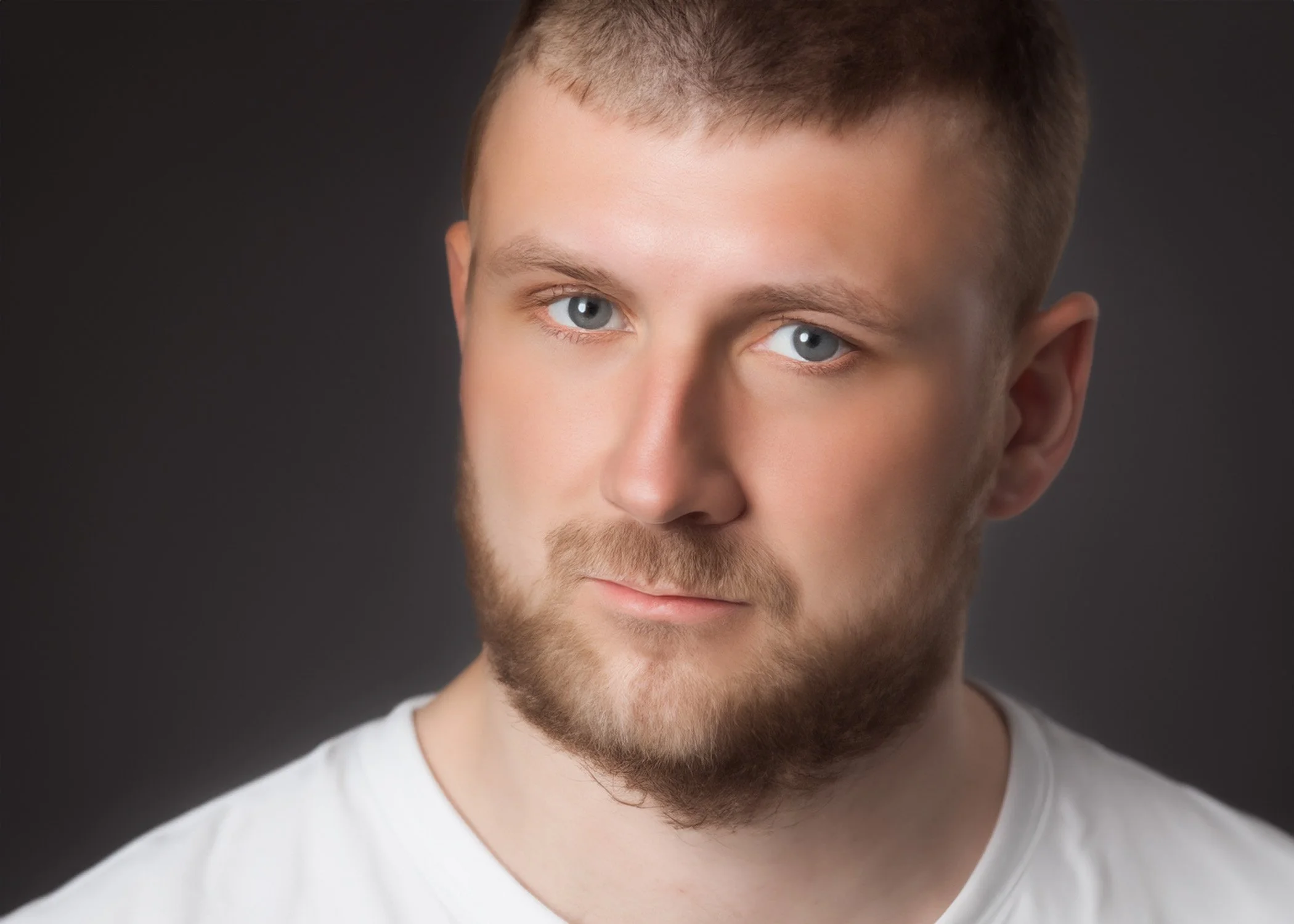
Theoretically, the platform might be able to use AI generated images based on your face and sell them. We’re waiting for the first lawsuit of someone seeing their face on a billboard somewhere and lawyers arguing that the photo, which although it looks exactly like you, isn’t actually you since it was AI-generated and you agreed to take part in that.
Okay, so let’s ask that second question now: Are AI generated headshots safe?
Yeah, not really. Because COPYRIGHT OMG. We see our photos stolen now and then and used for phishing websites or fake companies, or even real companies too lazy to take photos of their actual employees so they use headshots they find on the internet. With an actual photo, the photographer has copyright ownership and all the protections that includes. If a professional photographer takes your photo, you usually have a license to use that image, which connects you directly to that copyright protection. That means you can strongarm them into taking it down because you own it, or even sue for financial damages in some cases.
With an AI generated image who owns the copyright? So far, not the software, but also not you. In newly established case law Naruto v. Slater, an image must be created by a human being in order to be copyright protected. And pushing the “generate” button on software doesn’t count, according to the courts.
Earlier this year, the United States Copyright Office denied copyright to an author of a graphic novel who used an AI generator to create the images for her book. She was able to copyright the text she had written, but not the images, even though she spent a year illustrating the book using AI software as a tool, because the court determined she didn’t create the images, the software did.
We’re already seeing the repercussions of images generated by AI and it’s coming in the form of stealing artists’ works and using them for misleading social media posts designed to generate clicks and likes and increase division and misinformation. Read more about that here.
Some photographers and agencies are now suing AI generating platforms for crawling the web to use copyrighted images (such as photos taken by photographers) as source files for their AI generated images. We’re going to see a lot of new cases play out in the courts over the next year or so, and the outcomes will be a moving target, but the trend is already being established that Federal Copyright Law values the protection of individual, human creation, and is wary of computer-generated images and their usage.

And if the AI platform doesn’t own the images you create, but you don’t either, then who does? NO ONE. Which means anyone can use it. Which means, technically, someone can use one of those AI headshots of you on a billboard to sell hemorrhoid cream and you can’t do anything about it.
AI has been racial profiling
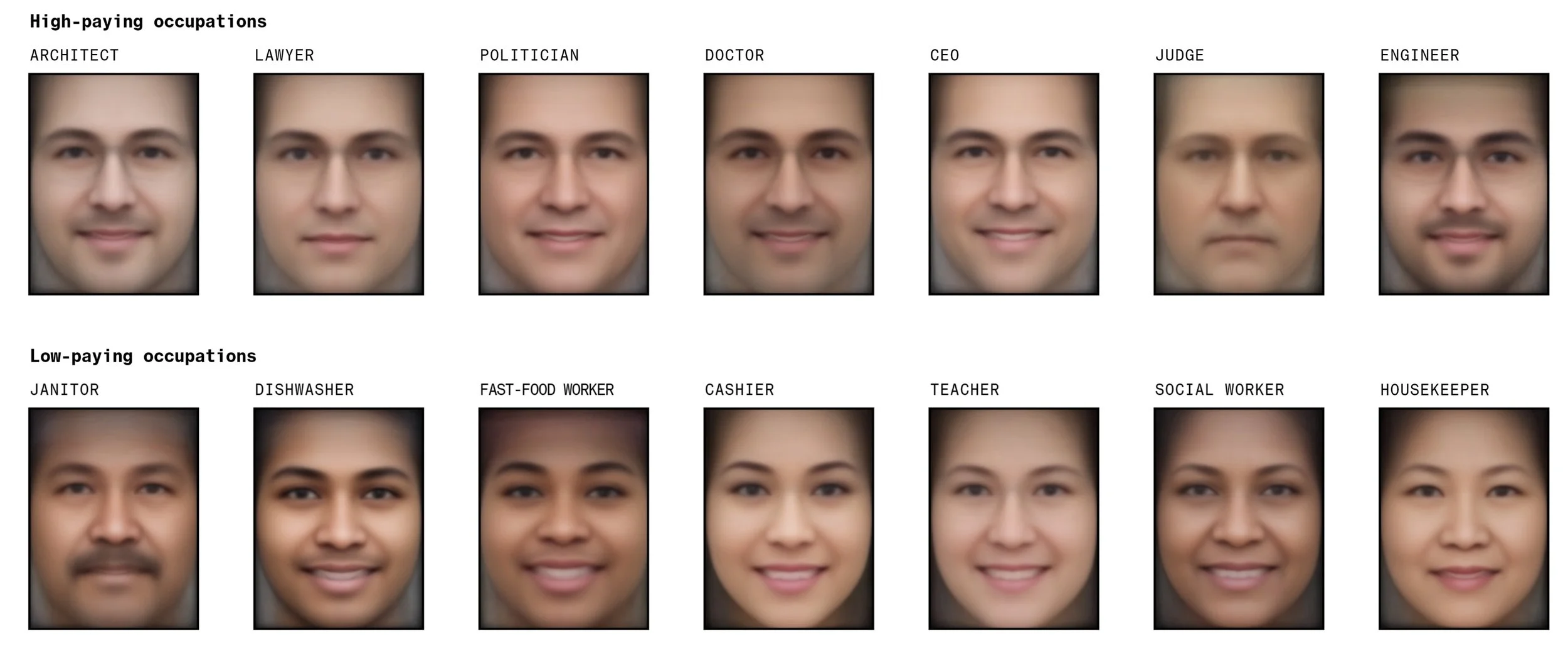
And if the copyright implications don’t scare you enough, don’t even get us started on the racial bias found in AI image generation of human faces. Bloomberg released an intense study of popular AI generators and what skin tone and racial identity the software applied to images of the “people” it created in different occupations.
To summarize their findings in one sentence: AI generated images of higher-income occupations such as architects, doctors, and lawyers are more often white men and AI generated images of lower-paying occupations such as janitor, fast-food worker, and cashier, are almost all women and/or people of color. If AI generated images are the future, we don’t want any part of it for this reason alone.
Why a real photo is still better than an AI headshot
We get it, with the pressure out there to look “perfect” on social media it’s understandable to want an AI-generated facsimile of yourself that’s devoid of blemishes and wrinkles and flyaway hairs. Or even an actual photograph that’s been retouched into oblivion. But the pendulum will swing (and honestly it’s already swinging) and people are seeing those “perfect” photos as inauthentic, and ridiculing people with AI headshots and over-retouched images.
An AI headshot isn’t the authentic you, it’s an avatar of your face, devoid of personality, identity, or realism. It’s as simple as that. Also, the privacy and copyright questions that will play out in the next few years are pretty terrifying, to be honest.

And as morbid as it sounds, when you’re gone, do you think your family members are going to want to hang onto the photos taken of you, or the AI-generated avatars of you?