
How to be photogenic
We run a professional photo studio, so if we had a nickel for every time we heard someone say, “I’m not photogenic” we’d have enough nickels to pay the power bill.Being “photogenic,” which most of us define as “looking good in a photo without having to try,” is almost like some kind of currency. If you’re photogenic, you have this sort of innate “beauty wealth” that you can use to your advantage to get what you want (like becoming a style influencer on Instagram so brands will send you free clothes). If you’re “unphotogenic,” you don’t have that same kind of “worth” and feel inherently less lucky, less successful, or maybe even misunderstood since you don’t think you look that bad in person so why do I look like Sloth from The Goonies in this photo OMG.What we’ve learned after taking professional headshots of tens of thousands of people since 2005 is that people aren’t “photogenic” or “unphotogenic.” It’s more of a ratio of how many good photos are taken of you vs. how many not-as-good photos. And that ratio can change over time, because my photogenic ratio was probably around 92% as a teenager and closer to about 25% as a woman in my 40’s.
Being photogenic isn’t just about attractiveness or unattractiveness. I had a friend who was super plain-looking in person but photographed like an even more handsome Chris Hemsworth and he couldn’t take a bad photo of himself if he tried. His superpower was actually a drawback for him while online dating because he’d line up a first date with someone, then see the inevitable disappointment in their face when they met, because in person he was less of a Chris Hemsworth and more of a Mr. Bean.
What makes someone photogenic?
Measuring how photogenic someone is involves three factors:
1. Attractiveness
2. Art theory
3. Emotional expression

Attractiveness
Anthropologists, neuroscientists, and psychologists have been researching “attractiveness” for decades, with mixed conclusions, but the majority of research studies find that in general, the human brain weighs symmetry and something called “averageness” of facial features when determining if someone is attractive.
A symmetrical face has long been heralded as the most beautiful, and therefore the most photogenic. Think of movie stars like Brad Pitt and Angelina Jolie, who look like someone basically made the right sides of their faces, then hit copy > paste to make the left.

“Averageness” when talking about attractiveness doesn’t mean that someone looks “basic,” but instead, that their features are a mathematical average of all human beings’ facial features. Imagine taking 1,000 people and measuring all their features, you would get an average measurement for everyone’s eye size, eyebrow shape or lip thickness. Science tells us that human nature is to value everyone’s facial features being of an “average” size in order to be attractive.
Even though science can find trends, there are still rule breakers in the attractiveness category, such as individuals with an eye color that is decidedly not average, or striking features that draw attention like super sharp cheekbones, an interesting lip shape, or a strongly squared jawline.
Art Theory
A photo is a two-dimensional rendering of a three-dimensional face. So when we’re looking at a photo of someone we’re experiencing what they look like in a completely different way than we would in the real world. We’re quite literally experiencing the image of a person’s face in the same way we experience one of Monet’s renderings of a landscape or a still life by Picasso.
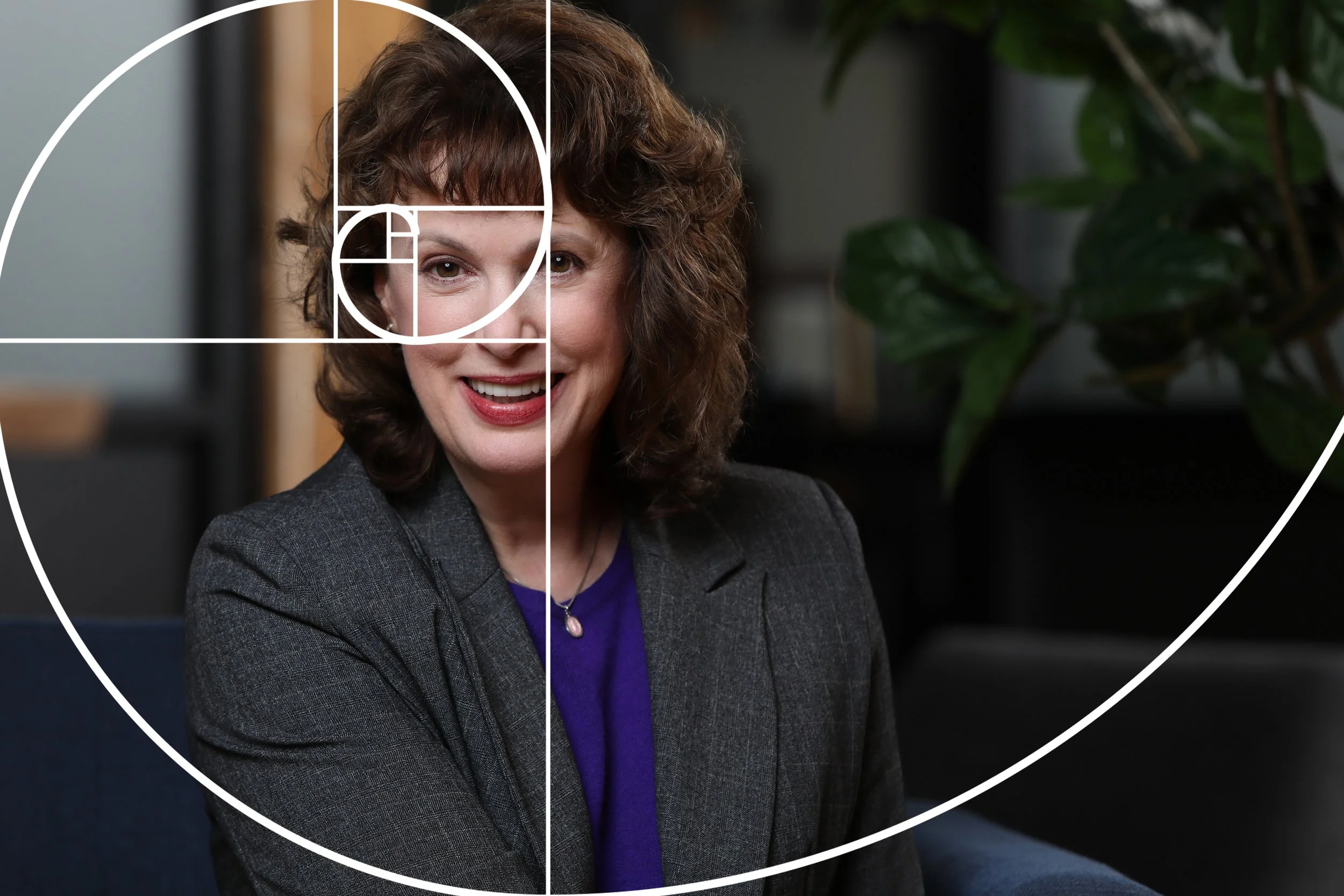
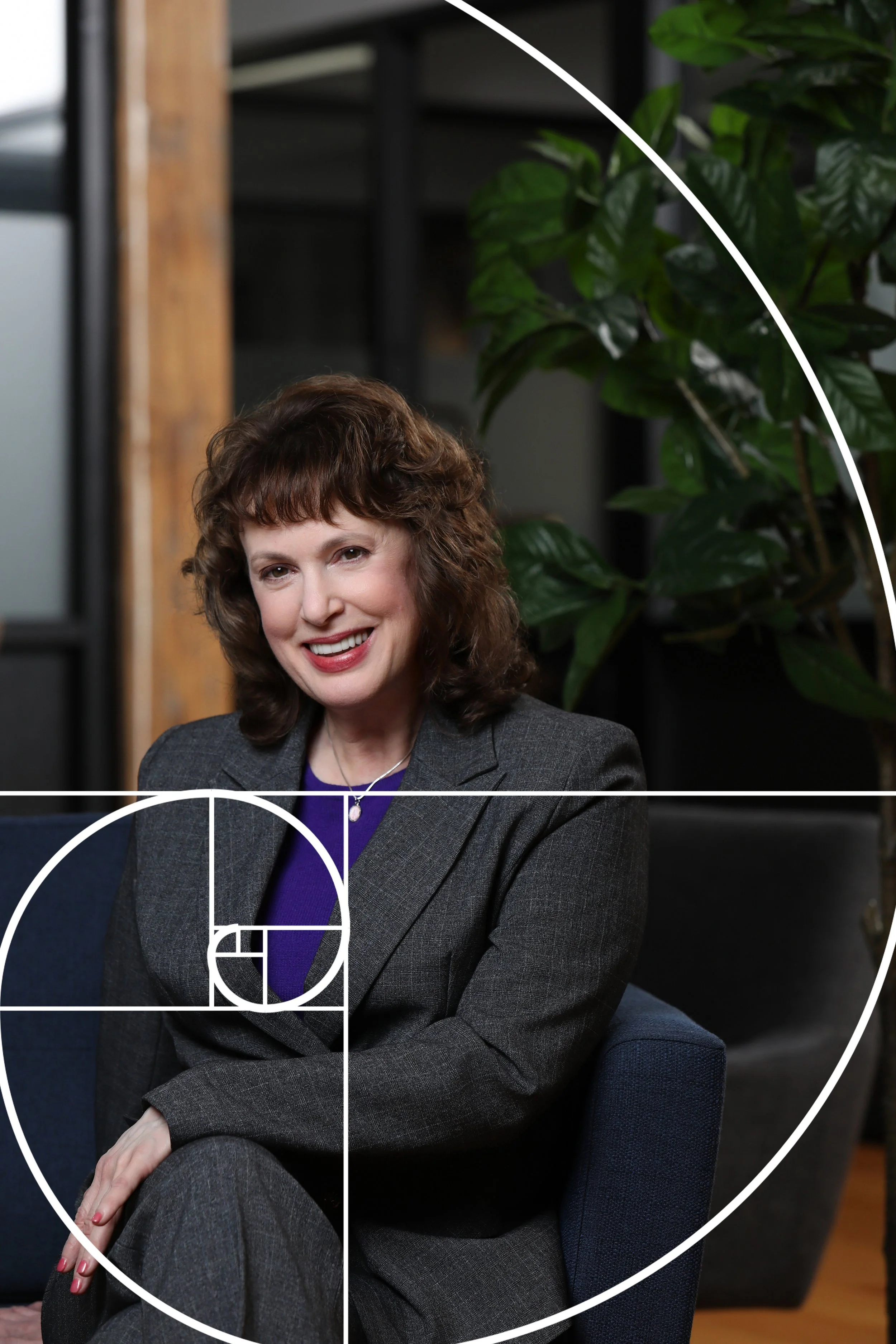
So now art theory is at play and our brains will determine if an image is “pleasing” or “displeasing” based on leading lines (or where the lines of the photo lead the eye to look), and even Fibonacci spirals and golden ratios.
Emotional Expression
We read body language and facial expressions in flat images the same way we do in real life. Seeing a photo of someone smiling and laughing makes us feel good, and seeing images of someone crying can make us feel sad, or someone shouting and angry can make us feel scared.
The mirror neurons in our brains are programmed to help us in social interaction by understanding someone’s motives or emotional state just by looking at their body language and facial expressions, and mirroring that feeling in ourselves. I can’t tell you how many times I’ve been editing photos of peoples’ smiling faces and my jaw starts to hurt. My own mouth had been smiling unconsciously just by seeing so many images of other people smiling!

So how do you look more photogenic in pictures?
Simple: you improve your ratio when you see a camera.
1. Science says to play up the “averageness” of your features. If you know your eyes are bigger than most peoples’ eyes, use lighting, lenses, and posing to make them look smaller. If your lips are smaller than most, use makeup to make them look bigger, or a huge smile to stretch them out. OR! Break the rule. Pick a feature and draw attention to it, to make it more striking and set it apart from the average, like a bold lip color or a daring choice with styling your facial hair.
2. Use art theory to your advantage. Give the viewer’s eye a place to go in the photo using lines, color, and movement in the image. It gives you more control over what you want people to see when they look at your photo and what you want to fade into the background or be less noticeable.
3. Sell it with your facial expression and body language. Photogenic faces aren’t usually staring blankly. This is why celebrities on the red carpet are holding a very calculated pose with their body and a very intense, measured facial expression for long enough for the Paparazzi to get the perfect photo. If she didn’t do that, even Angelina Jolie with her perfectly symmetrical face would look like Sloth from The Goonies if the photographer hit the shutter button at the wrong moment when she’s in between facial expressions.
Remember that being photogenic is NOT a commodity being traded on the market. It doesn’t dictate your worth in society and it certainly shouldn’t dictate your self-worth. But we’re only human, and having a higher ratio of photos of ourselves that we like vs. photos we don’t like is definitely going to make us feel good. So now that you know the secrets to being more photogenic, use them wisely. And if you become a fashion influencer and start getting free clothes, send some my way too.