
How I Gave Up On My Dream
Our friends at Cinema Femme asked me to share some of my old filmmaking stories for their magazine, and we ended up talking about an unexpected topic: the idea of following your dreams and passions as an unhealthy and possibly toxic idealization of selfhood.
I’ll explain. With a story. Picture it: I’m in college and about to declare my major. After years of being asked “what do you want to be when you grow up, little girl?” I had finally ditched the idea of being a butterfly (kindergarten), a caterpillar (1st grade, when I learned only caterpillars could become butterflies), and a dolphin trainer (2nd grade- our family trip to SeaWorld had a big effect on me). I was now an adult and had a real answer. I was going to be a cinematographer. This was my dream and my “Capital P Passion.”
But when I flipped to the back pages of American Cinematographer Magazine, dreaming of having that beautiful “A.S.C.” at the end of my name, I noticed something discouraging. In the roster of cinematographers, not one name looked female. (Even nearly two decades later, as of 2019 only 18 of the 290 cinematographers are women, by the way.) At that moment I remembered telling my 12th grade guidance counselor that I was considering being a surgeon and she looked at me point blank and said, “you know, there aren’t a lot of women surgeons out there… maybe you should do something else.”
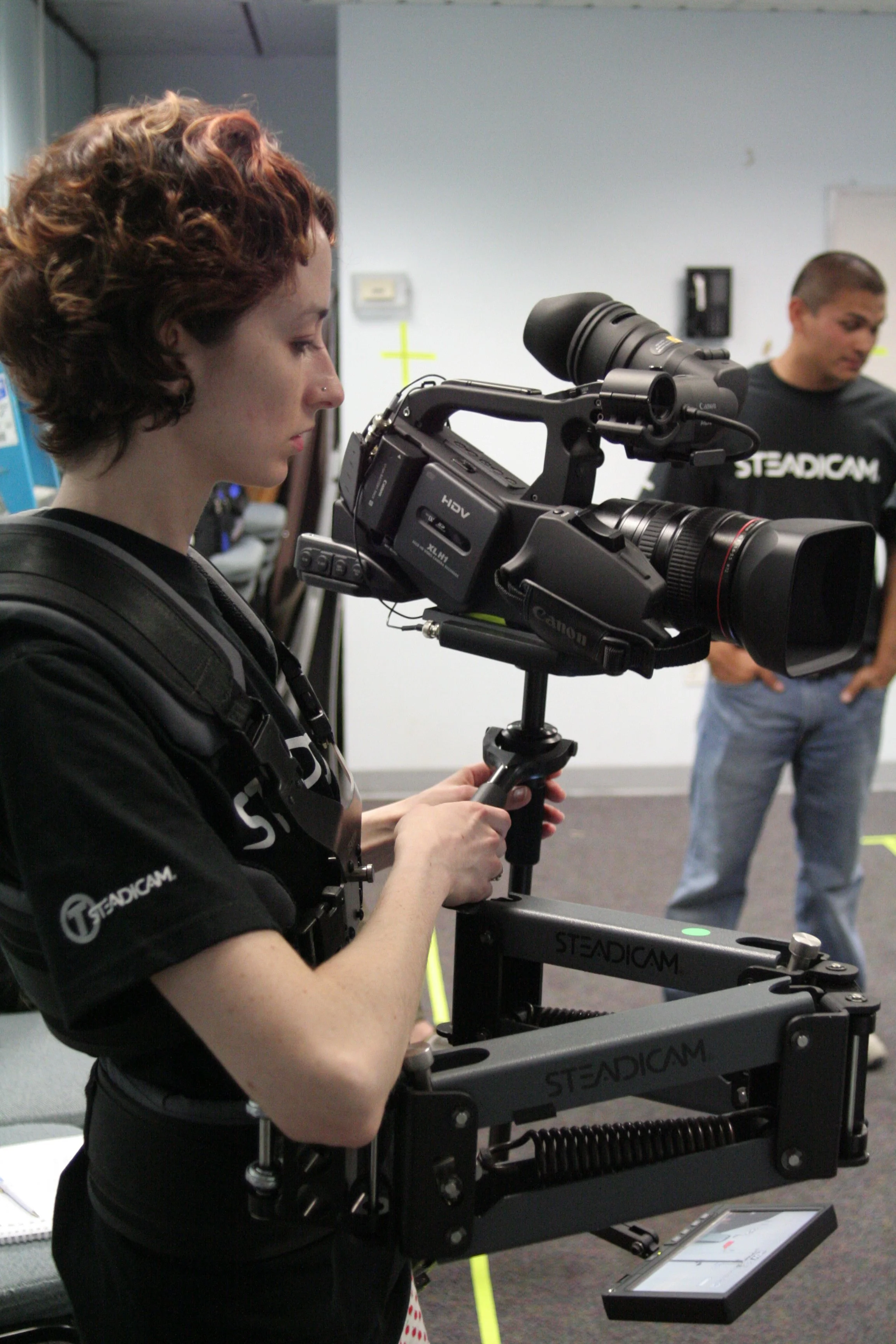
Recognizing the uphill battle a woman would have in a clearly male-dominated industry sounded daunting and exhausting. So I majored in film theory and history instead, and quite literally gave up on my dream. Kind of. But more on that later.
First, let’s look at this idea we’re all familiar with: everyone has a Capital P Passion and their purpose in life is to find their passion, do everything they can to make it a reality, and only be viewed as successful if they overcome adversity to become what they wanted to be when they grow up.
It’s the typical Hollywood Blockbuster narrative film arc I studied in college, but applied to humans living their lives in the real world:
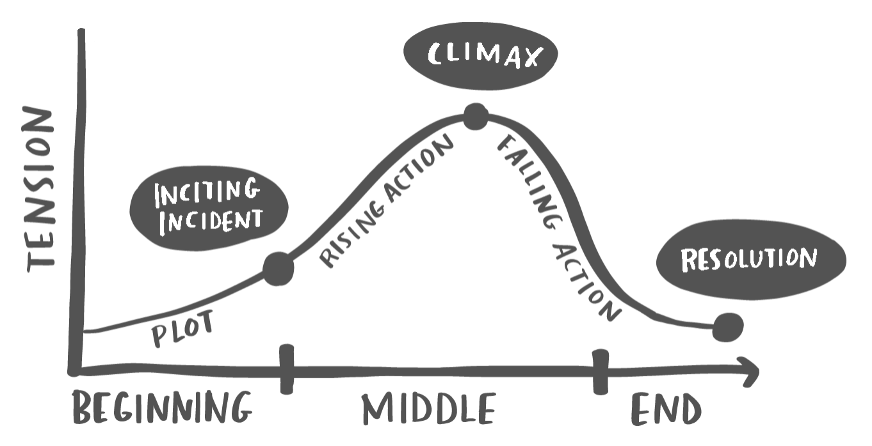
Inciting incident: you have decided what you want to “be” when you grow up.
Rising action: you hustle, intern, and apprentice to learn your trade.
Climax: you have made it and are viewed as a success in your industry.
Falling action: you’re well-known and asked to mentor the newbies.
Resolution: you retire and live happily ever after, admiring the gold watch on your wrist.
But there are more genres of film out there than just the Hollywood Blockbuster. And after two decades of meeting and photographing Chicago professionals in all industries, I can conclude that most peoples’ lives are more like experimental films. Which is how it went with me. After graduating, I moved to Chicago and worked in marketing for a technology company by day and on independent films on nights and weekends.
I learned more about filmmaking and the many roles on set and tried them all out, until my last role as the Producer of Marketing and Distribution on a documentary about electric cars. Throughout my life I’ve also worked as a mail carrier, a telemarketer, a photographer at Wrigley Field, a lighting technician at a bar, a wedding videographer, and started my own small business with Organic Headshots.
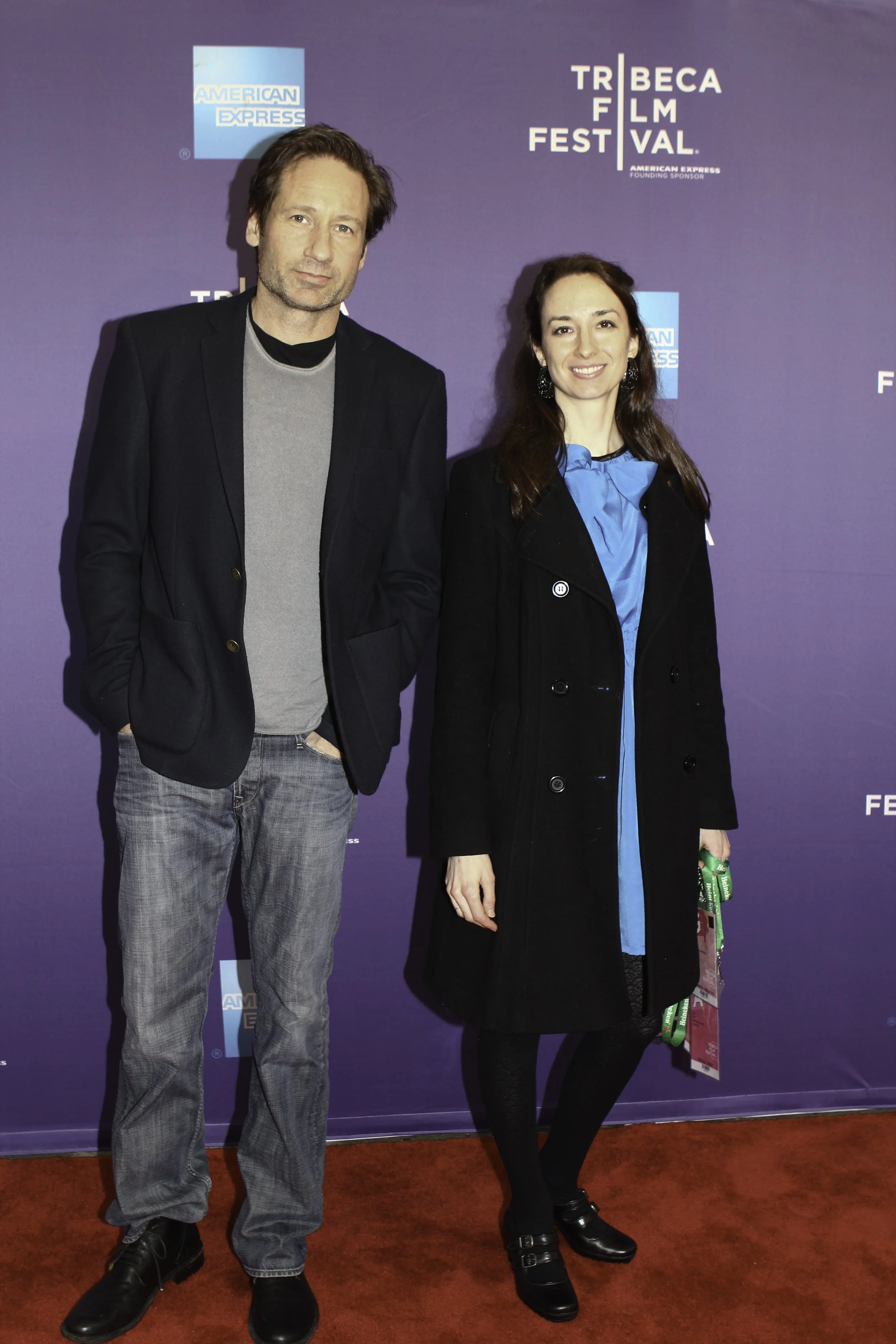
I experimented with filmmaking in a safer, lower-stakes way than defining it as my Capital P Passion. I didn’t sacrifice everything for the Hollywood Blockbuster narrative arc. I walked towards what felt right for me each day, and walked away from whatever didn’t feel right anymore.
And that’s what a lot of our most successful clients do too. Humans are naturally multi-talented creatures with varied interests and capacities, and I believe it’s our right and privilege to be able to explore as many pursuits as we can in our short lives on this earth.
My whole interview with Cinema Femme is here if you want to read more about how everyone’s life is an experimental film. Because if you don’t like it, just edit it.