AI Makes Me Feel Ugly
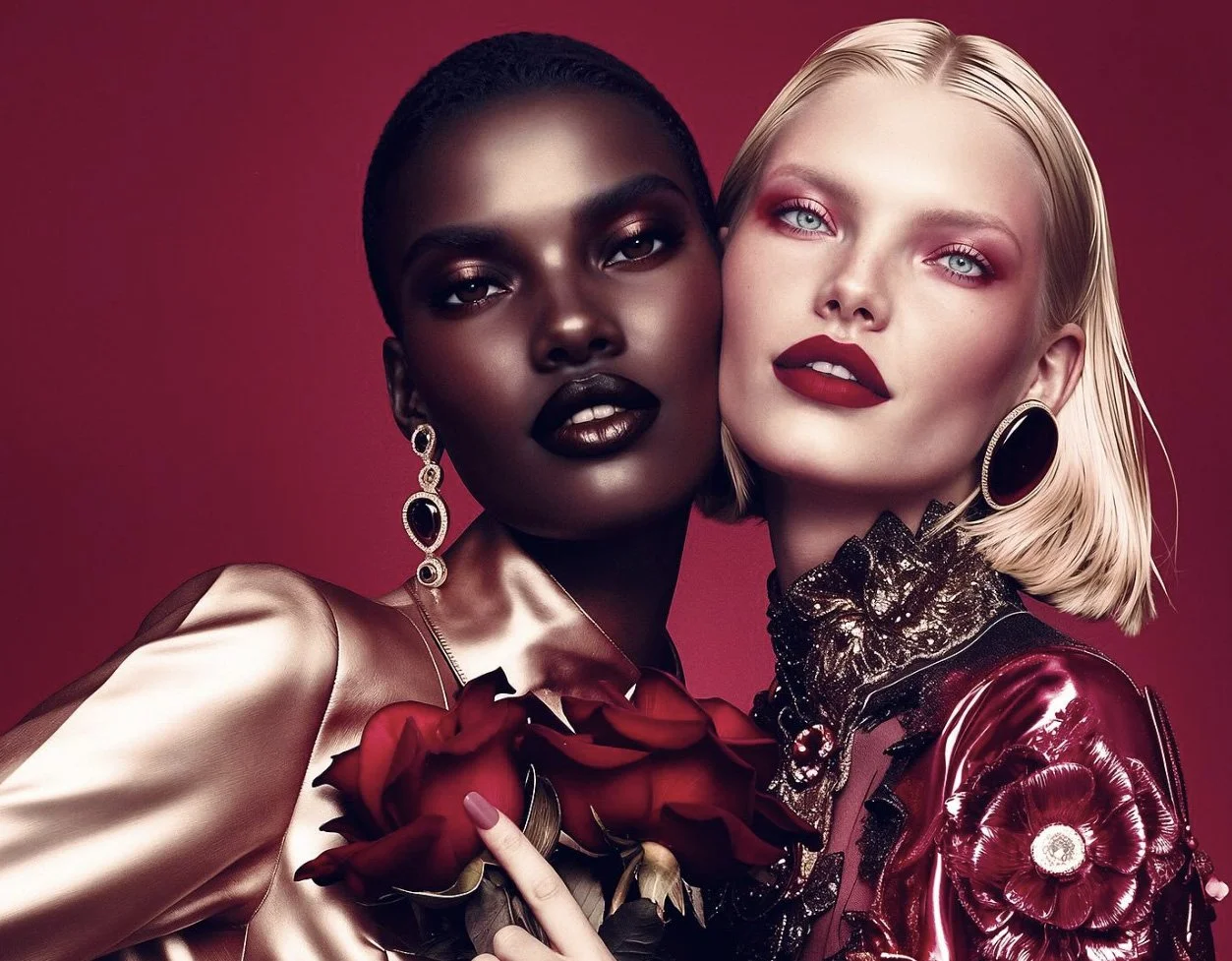
Does the use of AI in images created for content in social media and marketing campaigns create unrealistic expectations of beauty? Obviously. Completely AI generated images of humans who don’t exist are usually tall, thin, young, and have flawless skin and perfect teeth unless you program them otherwise. Using AI to enhance images of real people, it’s basically always used to make them look thinner, younger, and more flawless. No one plugs “add zits and ear hair” into Photoshop’s generative fill tool unless they have malicious intent.
We’ve already talked about our fears about AI in a previous post. To jog your memory, our main concerns were racial profiling on the part of the AI bots, and the lack of copyright for images of your face for anyone to use without repercussions. If that wasn’t enough of a YIKES, I want to open up some new things to think about when using AI for imagery.
Blurring The Line Between Art and Reality
The idea of human beings creating images of other human beings isn’t new. Starting with drawings on cave walls and wood carvings of human figures, we’ve been using art forms of various mediums to generate likenesses of ourselves, each other, and even idealized humans who don’t exist. Think of history’s ultimate hottie Michelangelo’s David, for example.
With the invention of photography in the 19th century, we now had an art form that had thus far most realistically captured peoples’ likenesses. This exposed what artists and the aristocracy had known for generations: portrait paintings and sculptures are a medium to depict the idealized versions of real people. Check out these side-by-side images of paintings of 19th century women and their photographs, for example.
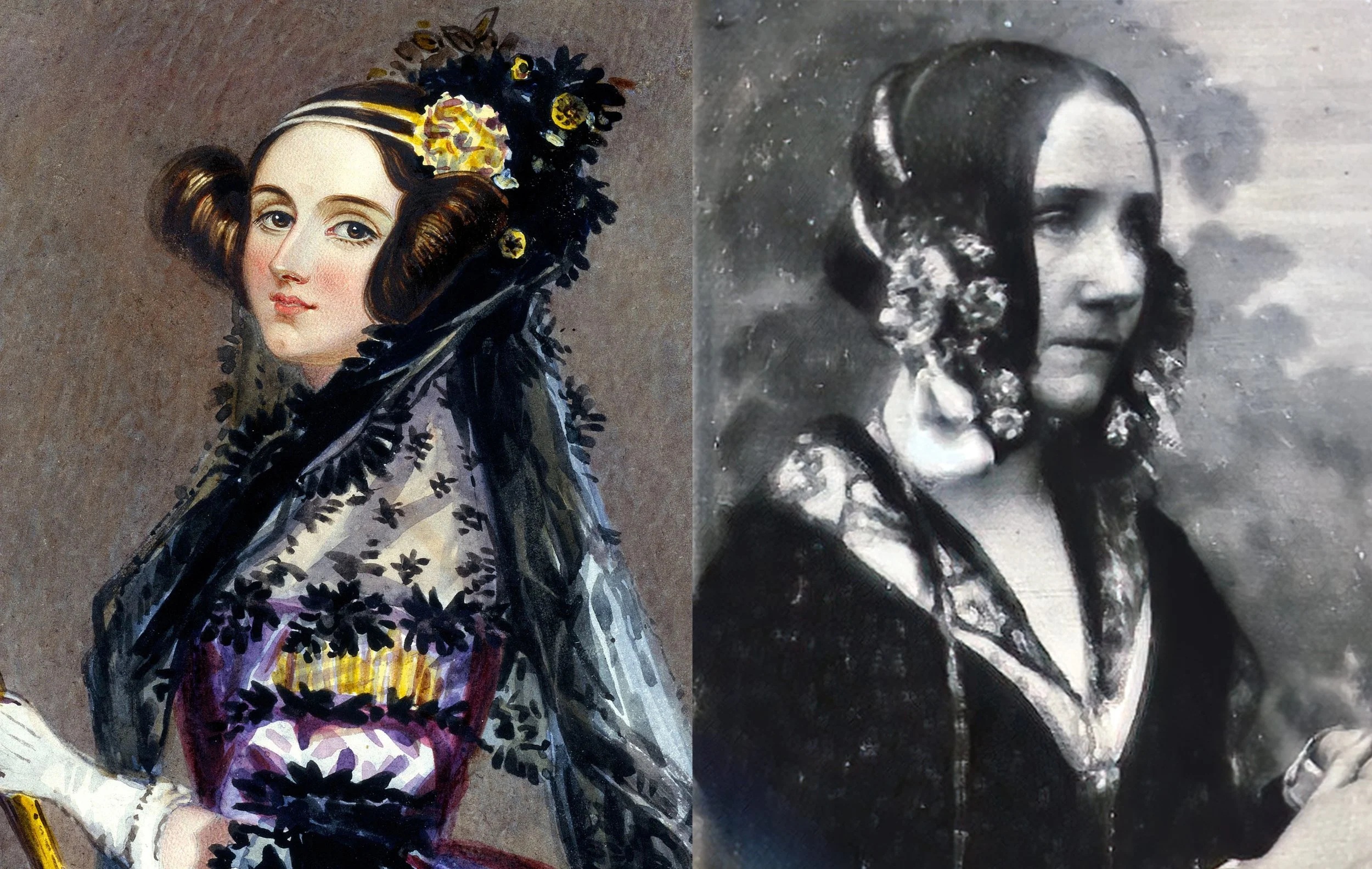
So on one hand we could argue that we’ve been creating unrealistic beauty standards through art for a while now, so what’s the big deal with using AI as a digital art form to keep the tradition alive? A painting of a beautiful duchess used to hang on one wall in one family’s drawing room for a handful of other aristocrats to gaze upon and admire. It was recognized as the art it was and a treat for the eyes and mind for art admirers to compliment the artist’s use of light, shadow and color to create a stunning likeness of their fair duchess after the vast majority of humans we saw were in person with their zits and cellulite.
On the other hand, access to art is WAY more prolific than it was then. We all carry phones in our pockets with countless images of beautiful humans appearing in social media, news feeds, and ads. Just about everywhere you look there’s an image of another human staring at you. And the majority of these images are doctored and idealized in some form or another. Perfection and flawlessness is at risk of becoming the norm, and the rest of us actual humans with stretch marks, cellulite, and thinning hair are now the aberrations.
Beauty Will Always Sell
How many of those beautiful images in your social media feeds are actually there to try to get you to buy something? Just about all of them.
To play devil’s advocate again, we could argue that the painting of the aforementioned beautiful duchess was there to sell people something. To convince people of her beauty, power, and influence. She was most likely painted in the finest new formal gowns with glittering diamonds around her neck and not in a house frock with wooden shoes sitting on a bench in the barn.
And we’ve been using artists’ renderings and creations to sell things to each other for decades. Think about ads like this one using a realistic-looking but fabricated drawing of a flawless young woman to sell cosmetics (using the word “natural,” no less):
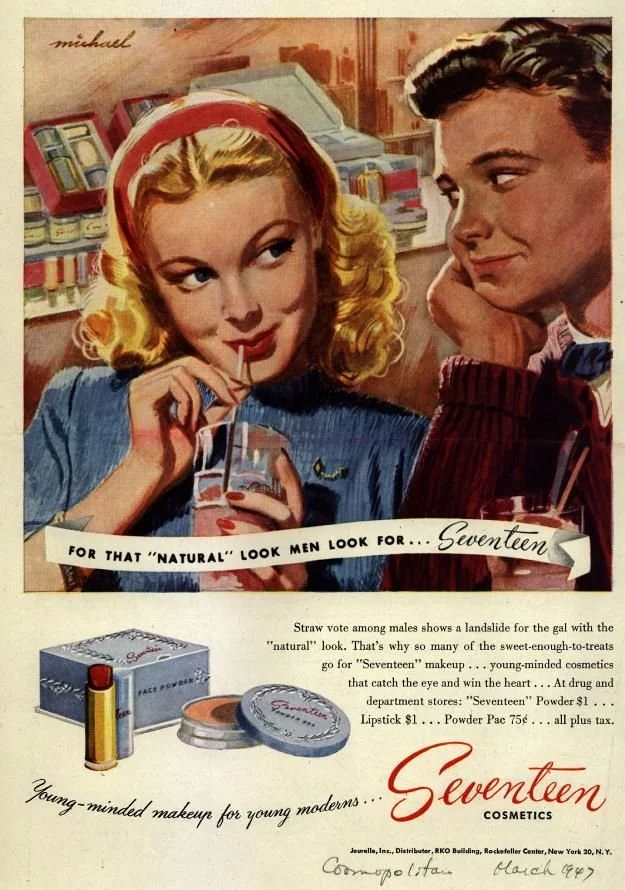
It’s a long-used tactic in advertising and marketing to use images that make someone’s eyes linger so you could sell them something. In magazines it was an ad with a flawless model that made you stop flipping through the pages and stare at the ad. Today it’s “scroll-stopping content” in the form of flawless, AI-generated humans. Remember when Calvin Klein had an ad where Bella Hadid straight-up kissed an AI generated fictional character?
We Personify Them to The Point of Delusion
Personification of artist-created renderings of flawless humans isn’t a new thing. When I was a kid, I sure knew Jessica Rabbit wasn’t a real person, but damn if I didn’t want to look that good in a dress when I grew up. Now that line is super blurry. Some people don’t realize that some of the social media influencers they follow are either using AI tools to generate flawless images of themselves (and I mean generate, not just enhance existing images), or are actually completely generated from thin air.
Let’s look at that fictional character Miquela that Bella Hadid made out with for Calvin Klein. Or Shudu, the alleged “world’s first digital supermodel.” Look at the comments on their photos. Some people clearly don’t know that they’re not real people.
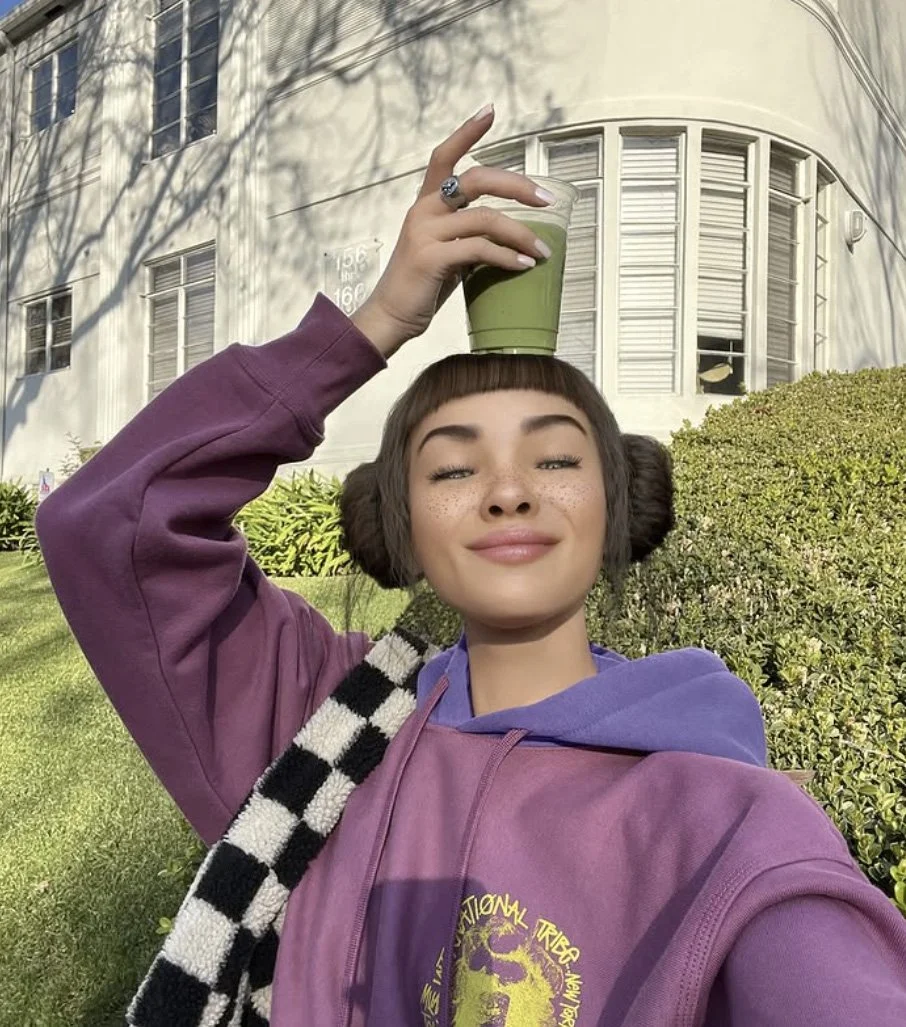
And we as a society are to blame. Time Magazine named Miquela one of most influential people in 2018. Everywhere you look, Miquela and other AI generated fictional characters are referred to as “she” or “he,” with sentences that alarmingly sound like they’re real people. We talk about how Lil Miquela earns about $10 million a year, not about how the artists who generated her earn it or who they even are.
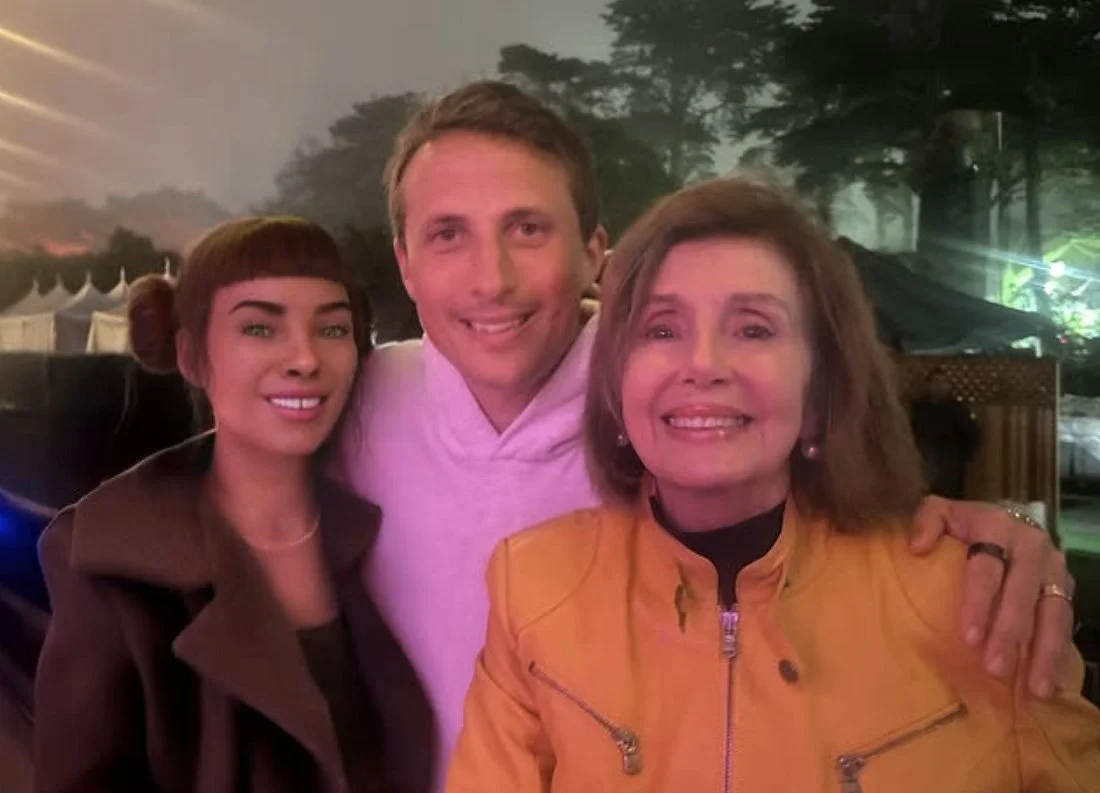
AI generated influencers validate our unrealistic standards not just for beauty but for work. You can now create your own influencer avatar and give it scripts so you don’t have to be on camera. You can literally program the human you want to create– their age, gender, race, hair color, eye color, clothing– and program them to speak flawlessly on camera and create countless videos for content to sell to your audience. Are we humans too ugly to even talk to each other anymore?
I’m definitely not immune to this, and I know my clients aren’t either. Last year I bought a $700 dollar video camera just for recording videos like this one because it has software that can soften my undereye bags, believing no one would pay attention to the video if I had eye bags. This year I went into a plastic surgeon’s office and got an actual quote on real surgery to remove them. And I’m not the only one at least pondering it. The number of plastic surgery procedures performed in the US has increased anywhere from 1% to 19% each year since the pandemic. Will I actually do it next year if the pressure keeps mounting to keep up?
But to keep up with who?
Actually the real question should be to keep up with what?